Smart Home Energy can be easier to approach when you start with a few practical basics.
- Compatibility Conflicts: You buy a smart plug, connect it to your voice assistant, and…nothing. Or, it works intermittently, disconnecting every few hours. This frustration is a huge time-waster and a waste of money. Ensuring everything plays nicely together is crucial.
- The Silent Power Drain: Ignoring Standby Power: This is a *big* one. Loads of devices - TVs, game consoles, chargers - continue to draw power even when they’re turned off. Smart plugs are designed to cut this phantom load, and it can add up to a surprising amount over time.
- Numbers Without Context: Energy Monitoring Data: Your energy monitoring system spits out a bunch of numbers - kWh used, cost, etc. But if you don’t know what those numbers *mean* in the context of your usage patterns, you’re not going to be able to identify real opportunities for savings.
- A Piece-Meal Approach: It’s easy to focus on one gadget at a time. But energy saving is often about a combination of changes - adjusting your thermostat, automating lighting, and identifying energy-hogging appliances.
Level Up Your Thermostat Game (Smart Home Energy)
- Geofencing: Let Your Home Know Where You Are: Geofencing uses your smartphone’s location to trigger actions. For example, you can set your thermostat to automatically lower the temperature when you leave the house and raise it again when you’re heading home. Most modern thermostats offer this feature, but make sure it’s properly configured. It’s a simple way to avoid heating or cooling an empty house.
- Learning Algorithms: Let the Tech Learn Your Habits: Some thermostats - like the Nest Learning Thermostat - actually learn your temperature preferences over time. They observe when you adjust the temperature manually and then start to predict your desired settings, automatically adjusting the schedule to match. This takes the guesswork out of programming and can lead to significant savings. Don’t assume a fixed schedule is always best; let the thermostat learn.
- Weather Integration: Proactive Adjustments: The best thermostats integrate with weather forecasts. They can anticipate a heatwave and proactively lower the temperature, or they can adjust based on an upcoming cold snap. This is a huge advantage over a static schedule. Imagine this: you’re heading to work. As you leave your driveway, your thermostat automatically lowers the temperature by a few degrees, saving you energy while you’re out. When you’re just around the corner, it starts to warm up again, so you come home to a comfortable temperature. That’s the power of geofencing and weather integration.
Smart Plugs: Beyond Simple On/Off
Smart plugs are incredibly versatile, but they’re often underutilized. They’re not just about turning things on and off remotely; they’re about controlling standby power.
- Phantom Load: The Silent Thief: As we mentioned earlier, phantom load - the power consumed by devices when they’re turned off - is a major energy waster. Smart plugs eliminate this by cutting off power when a device is not in use.
- Smart Plugs vs. Smart Outlets: What’s the Difference? Smart plugs are typically designed to plug into standard wall outlets, while smart outlets are built into the wall. The choice depends on your existing setup. If you’re retrofitting, plugs are usually easier to install.
- Realistic Scheduling: Don't Overcomplicate It: Don’t create overly complex schedules. A simple schedule that turns off devices at night and on weekends is often more effective than a complicated one that’s difficult to maintain.
- Monitor, Monitor, Monitor: Seriously, use the energy monitoring data. Plug in that old entertainment center you rarely use and see how much power it’s drawing when it’s switched off. You might be surprised.
Lighting Automation: It’s More Than Just Dimming
Smart lighting offers more than just the ability to dim your lights. It’s about creating automated routines that respond to your needs and the environment.
- Dynamic Lighting Schedules: Connect Lighting to Your Life: Instead of manually adjusting your lights every day, create schedules that automatically turn them on and off based on occupancy or time of day.
- Color Temperature: A Subtle Energy Saver: Using cooler color temperatures (bluer light) in the morning and warmer temperatures (yellower light) in the evening can actually be more energy-efficient. Cooler light is more stimulating and can help you feel more alert, while warmer light promotes relaxation.
- Example: Your living room lights automatically dim as the sun sets, creating a cozy atmosphere. Or, your bedroom lights turn on gradually as your alarm goes off, helping you wake up more naturally.
Understanding Your Energy Data
Finally, let’s talk about your energy monitoring system. Don’t just look at the numbers; understand them.
- Key Metrics: Familiarize yourself with key metrics like kWh (kilowatt-hours), cost, and usage patterns. kWh represents the amount of energy you’re using, and cost is based on your utility’s rates. Usage patterns show you when you’re using the most energy.
- Identifying Energy Hogs: Look for appliances that consistently draw a lot of power. A refrigerator, water heater, or air conditioner are often the biggest energy consumers.
- Prioritizing Upgrades: Focus on making the changes that will have the biggest impact. Replacing an old, inefficient refrigerator is likely to yield more savings than upgrading your smart plug collection. Smart home technology offers a genuine opportunity to save energy and money. But it’s not a magic bullet. It requires careful planning, thoughtful implementation, and a willingness to learn and adapt. By avoiding these common mistakes, you can unlock the full potential of your smart home and create a more sustainable - and affordable - living space.
Keep This Practical
Smart-home decisions get easier when you solve one friction point at a time. Start with the device or routine that would save you the most hassle this week, then expand only after it proves useful.
Tools Worth A Look
If you are trying to make a home-tech decision with less guesswork, the products below are the closest fit for that goal.
- USB Rechargeable Toilet Night Lights, 2 Pack, Motion Sensor LED Nightlight for Multiple Bathrooms, 16 Colors, Soft Non-Blinding Glow, DimmableMinut - Noise, Occupancy, Motion and Temperature MonitoringDAKboard Touchscreen Wall Display 22" - Shared Family Calendar & Organizer, Smart Home Dashboard with Weather, Chore Lists & Digital Photo FrameAYNEFY Home Smart Switch Smart Light Switch Universal Automatic Voice Control Remote Timer BreakerFlume 2 Smart Home Water Monitor and Leak Detector – WiFi Connected, Real-Time Usage Tracking and Alerts – Works with Compatible Residential Water Meters
Some of the links on this page are Amazon affiliate links, which means I may earn a small commission if you make a purchase through them. As an Amazon Associate, I earn from qualifying purchases.
Related ReadingMore from Affordable Smart Living
Smart Home Savings: Step-by-Step
Step 1: Assess Your Energy Consumption - Know Where You're Losing Energy (Step-by-Step): Smart Home Savings: Step-by-Step: Energy-Saving Gadgets: A Step...
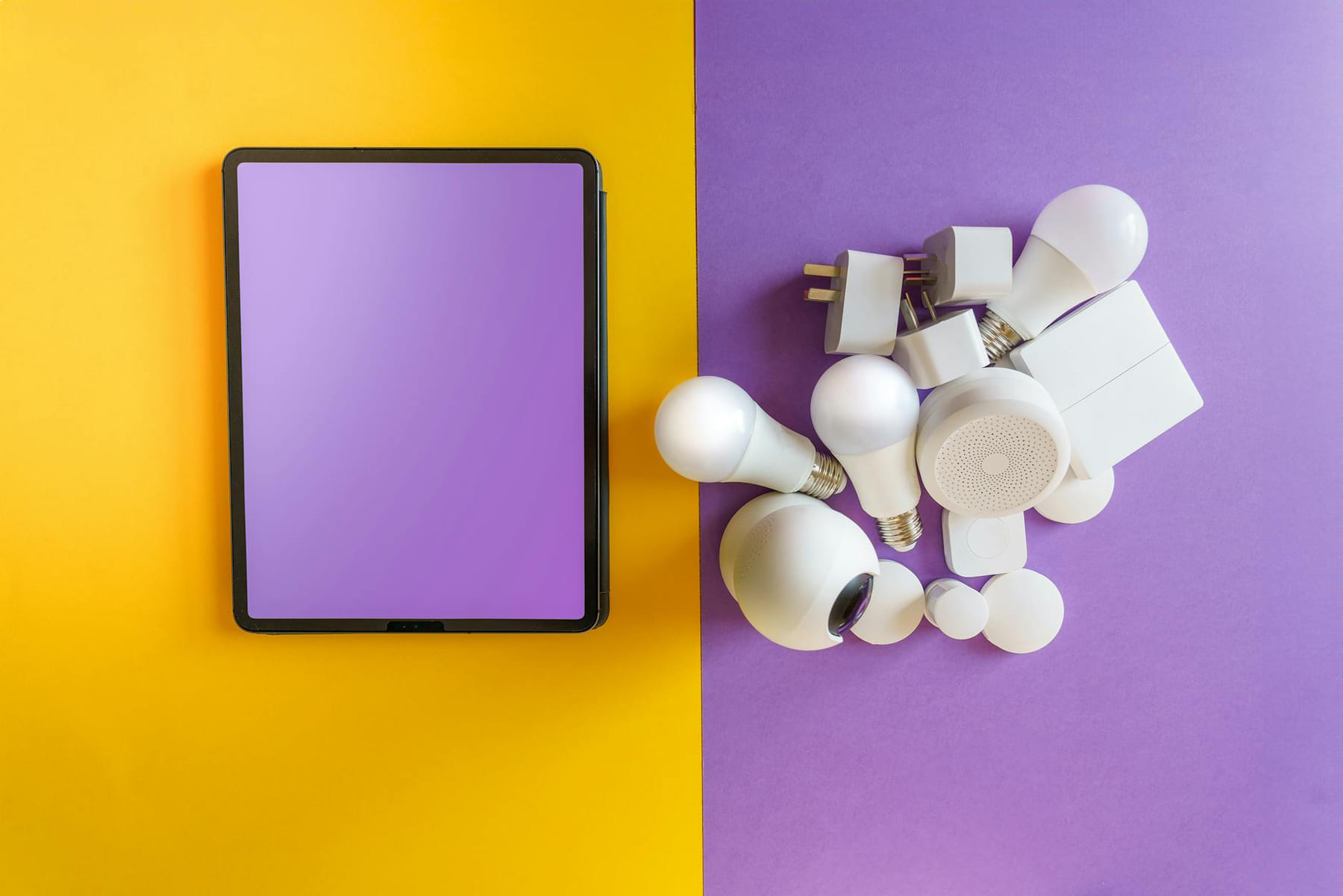
Smart Home Savings: Easy Energy Wins
Energy-Saving Gadgets & Best Practices Smart Home can be easier to approach when you start with a few practical basics. Why Focus on Energy-Saving Gadge...
Smart Home on a Budget: Tips & Trade-offs
Another easy trap is copying a setup that made sense for someone with a different routine, budget, or tolerance for maintenance. In Budget smart home gadgets.