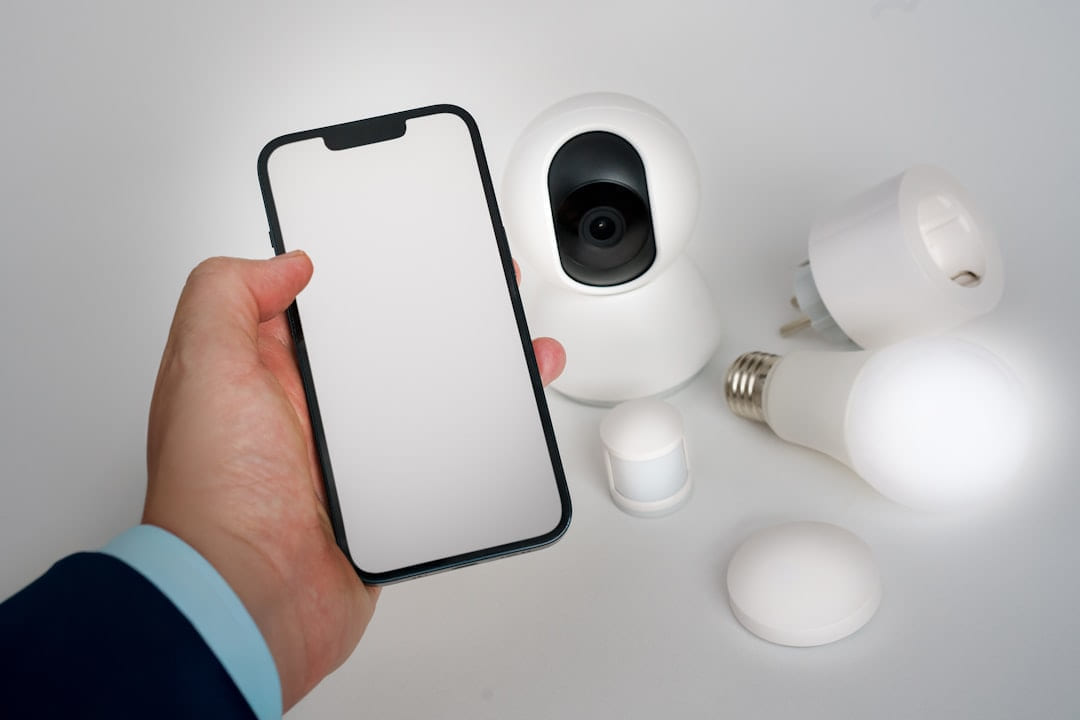
Smart Home Fixes: Budget Gadget Problems is easier to make sense of when you break it down into the part that matters most first. Instead of chasing every option at once, it usually helps to focus on what will make Smart Home Fixes: Budget Gadget Problems more useful, easier to manage, or more affordable in ordinary life.
Keeping Things Running Smoothly
Smart home devices aren’t just about getting them to work now; it’s about keeping them working long-term. Regular maintenance, like cleaning sensors and checking battery levels, can prevent problems down the road. And always keep an eye out for firmware updates - they often include bug fixes and performance improvements. When choosing new devices, look for brands that are committed to providing ongoing support and updates.
Getting Back on Track
Troubleshooting smart home gadgets can feel a bit daunting at first, but with a systematic approach and a little patience, most issues can be resolved. Don’t be afraid to experiment with different solutions - and remember, you're not alone!
Start with what you will actually use
With Smart Home Fixes: Budget Gadget Problems, the first question is usually not which option looks best on paper. It is which part will make day-to-day life easier, smoother, or cheaper once the novelty wears off.
A lot of options sound great until you picture them in a normal week. If the setup is fussy, the routine is easy to forget, or the maintenance is annoying, the appeal fades quickly.
There is also value in keeping one part of the process deliberately simple. Readers often do better when they identify the one decision that carries the most weight and make that choice carefully before they chase smaller optimizations. That keeps momentum steady and usually prevents the topic from turning into clutter.
What tends to get overlooked
Tradeoffs are normal here. Cost, convenience, upkeep, and flexibility do not always line up neatly, so it helps to decide which tradeoff matters least to you before you commit.
This usually gets easier once you make a short list of priorities. A tighter list tends to produce better decisions than trying to solve every possible problem at once.
Another useful filter is asking what you would still recommend if the budget got tighter, the schedule got busier, or the setup had to be easier for someone else to manage. The answers to that question usually reveal which advice is durable and which advice only works under ideal conditions.
How to keep the setup simple
If you want Smart Home Fixes: Budget Gadget Problems to hold up over time, choose the version you can actually maintain. That can mean spending less, leaving out an attractive extra, or simplifying the setup so it fits ordinary life.
The version that holds up best is usually the one you can live with on an ordinary day. That often matters more than the version that only feels good when you have extra time, energy, or money.
That is why the best next step is often a modest one with a clear upside. You want something specific enough to act on, flexible enough to adjust, and practical enough that you would still recommend it after the first burst of enthusiasm fades.
Costs that show up later
You do not need the flashiest answer here. You need the one that fits your space, budget, and routine well enough that you will still feel good about it after the first week.
In a topic like Budget smart home gadgets, manageable almost always beats impressive. If something is simple enough to keep using, it is usually doing more real work for you.
Readers usually get better results when they treat advice as something to test and refine, not something to obey perfectly. That mindset creates room for real judgment, which is often the difference between content that sounds smart and guidance that is actually useful.
What is worth skipping
It is easy to underestimate how much clarity comes from removing one unnecessary layer. In practice, trimming one complication often does more for Smart Home Fixes: Budget Gadget Problems than adding one more feature, one more product, or one more clever workaround.
The options that age well are usually the ones that are easy to repeat. Reliability and low hassle often matter more than the most impressive-looking feature list.
When you are deciding what to do next, aim for the option that reduces friction and gives you a clearer read on what matters most. That is usually how Smart Home Fixes: Budget Gadget Problems becomes more useful instead of more complicated.
A realistic next step
If this topic still feels crowded or overcomplicated, that is usually a sign to narrow the decision, not a sign that you need more noise. One careful adjustment, followed by honest observation, tends to teach more than another round of abstract tips.
A grounded next step is usually better than a dramatic one. Pick one realistic change, see how it works in normal life, and let that result guide the next decision.
Leave a little room to adjust as you go. A setup that works in one budget range, season, or routine might need a small change later, and that is usually normal rather than a sign you got it wrong.
Keep This Practical
Smart-home decisions get easier when you solve one friction point at a time. Start with the device or routine that would save you the most hassle this week, then expand only after it proves useful.
Tools Worth A Look
If you are trying to make a home-tech decision with less guesswork, the products below are the closest fit for that goal.
- Netro Pixie Smart Hose Faucet Timer, WiFi, Solar Powered, Weather Aware, White, Compatible with AlexaDAKboard Touchscreen Wall Display 22" - Shared Family Calendar & Organizer, Smart Home Dashboard with Weather, Chore Lists & Digital Photo Frame1Mii B06TX Bluetooth 5.3 Transmitter for TV to Wireless Headphone/SpeakerBluetooth Speaker Portable Media Players Clear Loud Stereo Sound Deep Bass Wireless Speaker
Some of the links on this page are Amazon affiliate links, which means I may earn a small commission if you make a purchase through them. As an Amazon Associate, I earn from qualifying purchases.
Related ReadingMore from Affordable Smart Living
Matter Homes: Smart Without the Sticker Shock
Smart Without the Sticker Shock can be easier to approach when you start with a few practical basics. 2. Smart LED Bulb (Wyze Bulb - $15 - $25): Wyze has.
Energy Gadgets: Fixing Common Issues
Common Issues can be easier to approach when you start with a few practical basics. * Energy Readings Don’t Seem Right: Smart plugs and energy monitors can be.
Smart Home Savings: Step-by-Step
Step 1: Assess Your Energy Consumption - Know Where You're Losing Energy (Step-by-Step): Smart Home Savings: Step-by-Step: Energy-Saving Gadgets: A Step...