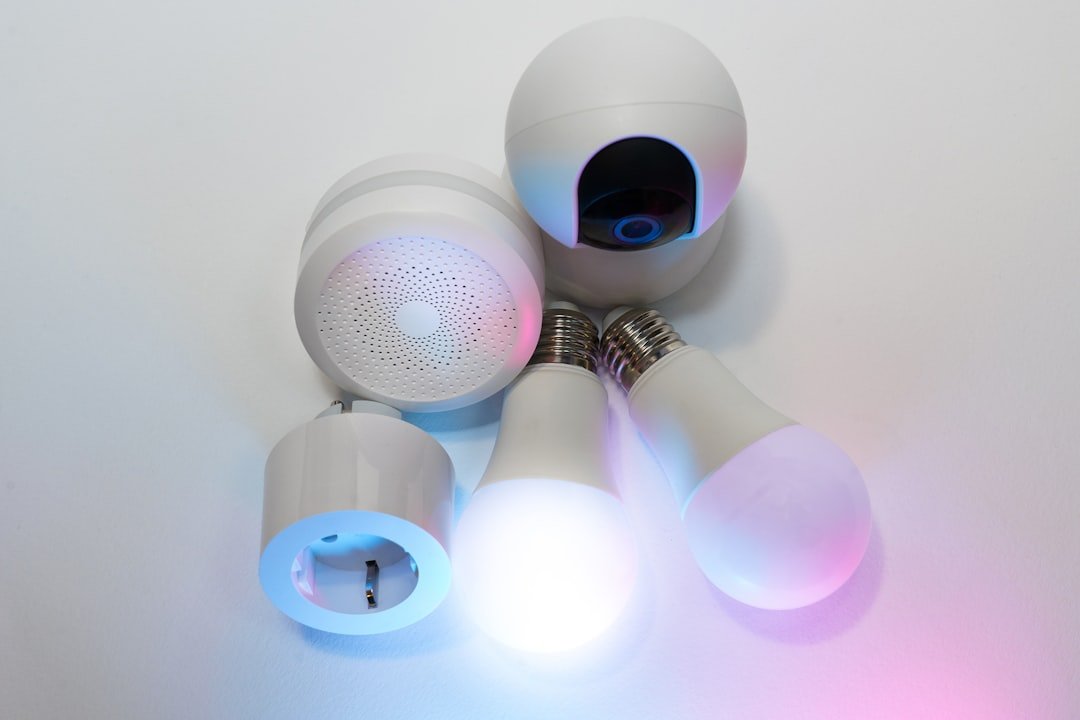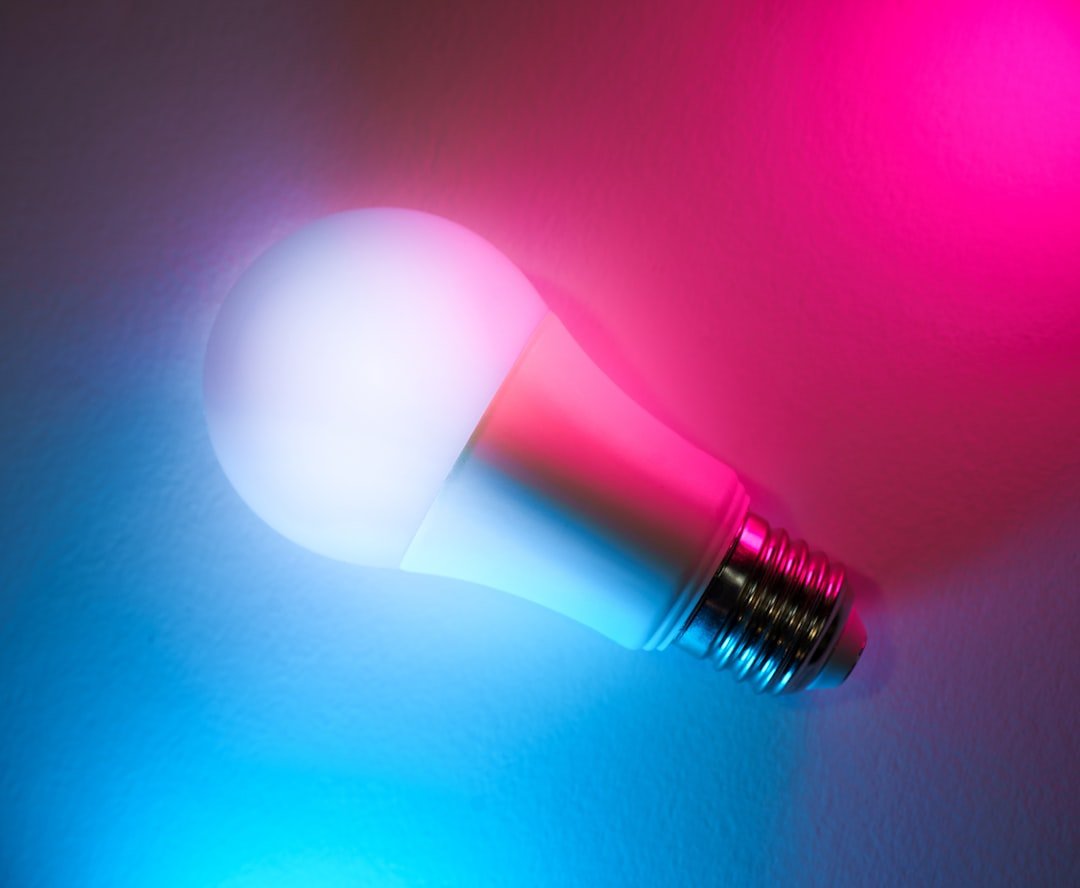
Remember those futuristic home tours you used to see, filled with lights that changed color on command and dimmed with a whisper? Smart lighting felt like a luxury, something reserved for early adopters and deep-pocketed tech enthusiasts. But by 2026, that’s starting to feel a little… outdated. Smart lighting is becoming increasingly accessible, and honestly, it’s a really smart move for any homeowner looking to add a bit of convenience and potentially save on energy bills. what helps most is to approach it strategically - not with a massive overhaul, but with a series of thoughtful, affordable upgrades. Let’s ditch the idea that smart lighting has to break the bank and explore some realistic ways to bring a little intelligence to your home’s illumination.
DIY Smart Lighting: No Hub Required
The easiest way to dip your toes into the smart lighting world is to bypass the complicated hub systems altogether. Thankfully, Wi-Fi-enabled bulbs and plugs are now incredibly affordable and surprisingly simple to set up. Brands like TP-Link Kasa and Sengled have really stepped up their game, offering a range of bulbs and plugs that cost between $10 and $25 apiece. That's significantly less than you might expect. Setting up a Kasa bulb is incredibly straightforward. You just screw it into a standard socket, review the Kasa app on your smartphone (available for both iOS and Android), and follow the on-screen instructions. It’s a direct connection to your Wi-Fi - no clunky hubs needed. The app guides you through the process, letting you control the bulb’s brightness and even set schedules. It's genuinely impressive how quickly you can get it working. (You can get a good visual of the app interface by searching “TP-Link Kasa app screenshot” - there are plenty of examples online.) The beauty of this approach is that you can start with a single bulb and expand your network as you see fit.
Hub-Based Systems on a Budget
Now, let’s talk about hub systems. Philips Hue remains the dominant player, and for good reason. A Hue hub provides a level of compatibility and advanced features - like grouping lights and creating complex scenes - that Wi-Fi bulbs often can’t match. but the initial investment can be a bit higher. In 2026, you can often find discounted starter kits from Philips Hue, especially if you’re willing to hunt for refurbished or open-box options. A basic starter kit, which includes the hub and a few bulbs, might run around $80 to $120 - a considerable jump compared to the individual bulb cost. The long-term cost is something to consider too. While the hub itself is relatively reliable, you might eventually need to upgrade it for better range or to support newer bulb types. It’s a worthwhile investment if you’re planning a truly comprehensive smart lighting setup, but it’s not the most budget-friendly starting point.
Smart Bulb Deals & Sales: Where to Find the Best Prices
Let’s be honest, smart lighting prices fluctuate. What’s on sale today might be different tomorrow. The good news is that major retailers like Amazon, Best Buy, and Home Depot consistently offer deals on smart bulbs. Keep an eye out for seasonal sales - Spring Cleaning Sales in March and April, and of course, Black Friday 2026 will be a huge opportunity. I’d recommend regularly checking websites like for the latest discounts. Don't be afraid to shop around - prices can vary significantly between retailers. Also, remember to factor in shipping costs when comparing prices.
Dimming Switches & Voice Control: Adding Intelligence to Existing Fixtures
You don’t need to replace all your existing light switches to go smart. A simple upgrade to smart dimming switches can be incredibly effective and surprisingly affordable. These switches typically cost between $20 and $40 each, depending on the brand and features. The really nice thing is that they integrate seamlessly with voice assistants like Alexa and Google Assistant. Setting up voice control is usually a breeze - often just requiring you to link your smart switch account to your voice assistant app. A simple command like “Alexa, dim the living room lights” can dramatically change the ambiance of a room and, potentially, your energy consumption. Plus, dimming lights is just a more comfortable and energy-efficient way to illuminate a space.
Beyond the Basics: Savings & Future Trends
Let's talk about the real benefits. Beyond the convenience and aesthetics, smart lighting can contribute to significant energy savings. In 2026, with increasingly stringent energy efficiency standards, even a modest reduction in lighting usage can add up. You could potentially reduce your energy consumption by 10-15% simply by automating your lights and using dimming controls. You can also explore secondhand options. Online marketplaces and local electronics recycling centers sometimes have used smart bulbs and switches for sale - often at a fraction of the retail price. Looking ahead, we’re starting to see some exciting trends in smart lighting. Mesh networking, where multiple devices communicate with each other to create a wider coverage area, is becoming more prevalent. Dynamic lighting, which adjusts color and brightness based on mood or environmental factors, is also gaining traction - and becoming more accessible to consumers. The future of smart lighting isn’t just about automation; it’s about creating a truly responsive and personalized lighting experience.
Conclusion
Smart lighting doesn't have to be a daunting, expensive undertaking. With a little planning and a focus on affordability, you can transform your home’s illumination into a smarter, more convenient, and potentially more energy-efficient space. Start small - maybe just with a single Wi-Fi bulb - and gradually build your smart lighting network as your budget and needs allow. Don’t be afraid to explore different options and compare prices. Ready to start saving money and upgrading your home lighting today? .
Keep This Practical
Smart-home decisions get easier when you solve one friction point at a time. Start with the device or routine that would save you the most hassle this week, then expand only after it proves useful.