
It’s 2026, and the idea of a truly smart home - one that feels helpful and not just complicated - is finally within reach for more people. For years, it seemed like a world reserved for tech enthusiasts and those with deep pockets. But prices have shifted, and there are genuinely affordable ways to add a little intelligence and convenience to your daily life. The trick, though, is figuring out where to begin. With so many gadgets and a lot of jargon, it’s easy to feel overwhelmed and, honestly, a little broke. This article cuts through the noise to give you a practical checklist and some straightforward advice for building a smart home that actually makes a difference - without emptying your bank account. Let’s be clear: you don’t need a fully automated mansion to see the benefits. Starting with a few key areas can really improve your comfort, security, and even help you save on energy bills.
Focus on the Essentials: Security, Lighting, and Energy
Let’s be realistic. If you’re watching your spending, jumping straight into smart refrigerators and robot vacuums isn’t the smartest move. Instead, concentrating on a few foundational areas will give you the biggest bang for your buck. Security, smart lighting, and managing your energy consumption offer the most immediate value and a decent return on investment. Think about it - a safe home and lower energy bills are things most of us want. Building a fully integrated “smart home” is a longer-term goal, but tackling these three areas first will give you a solid base and a sense of accomplishment. You’ll likely notice a real difference in how you feel about your home - and your wallet - within a month or two.
Smart Security - Peace of Mind Doesn’t Have to Be Expensive
Let’s tackle security first. You don’t need a high-tech security system to feel safer. There are some incredibly capable and affordable options out there. Smart door locks like the Wyze Lock and Blink Front Door Cam are fantastic places to start. The Wyze Lock lets you unlock and lock your door from your phone and is generally around $70-$90. Blink cameras are battery-powered, which means no complicated wiring, and they’re surprisingly effective at capturing clear video - typically costing between $30 and $60 per camera. Placement is key here; consider the front and back doors, and any areas with limited visibility. Adding motion sensors, which work well with Blink, can give you an extra layer of protection, alerting you to activity when you’re away. A basic motion sensor setup will set you back about $20-$50.
Smart Lighting: Control and Savings - Simple Changes, Big Impact
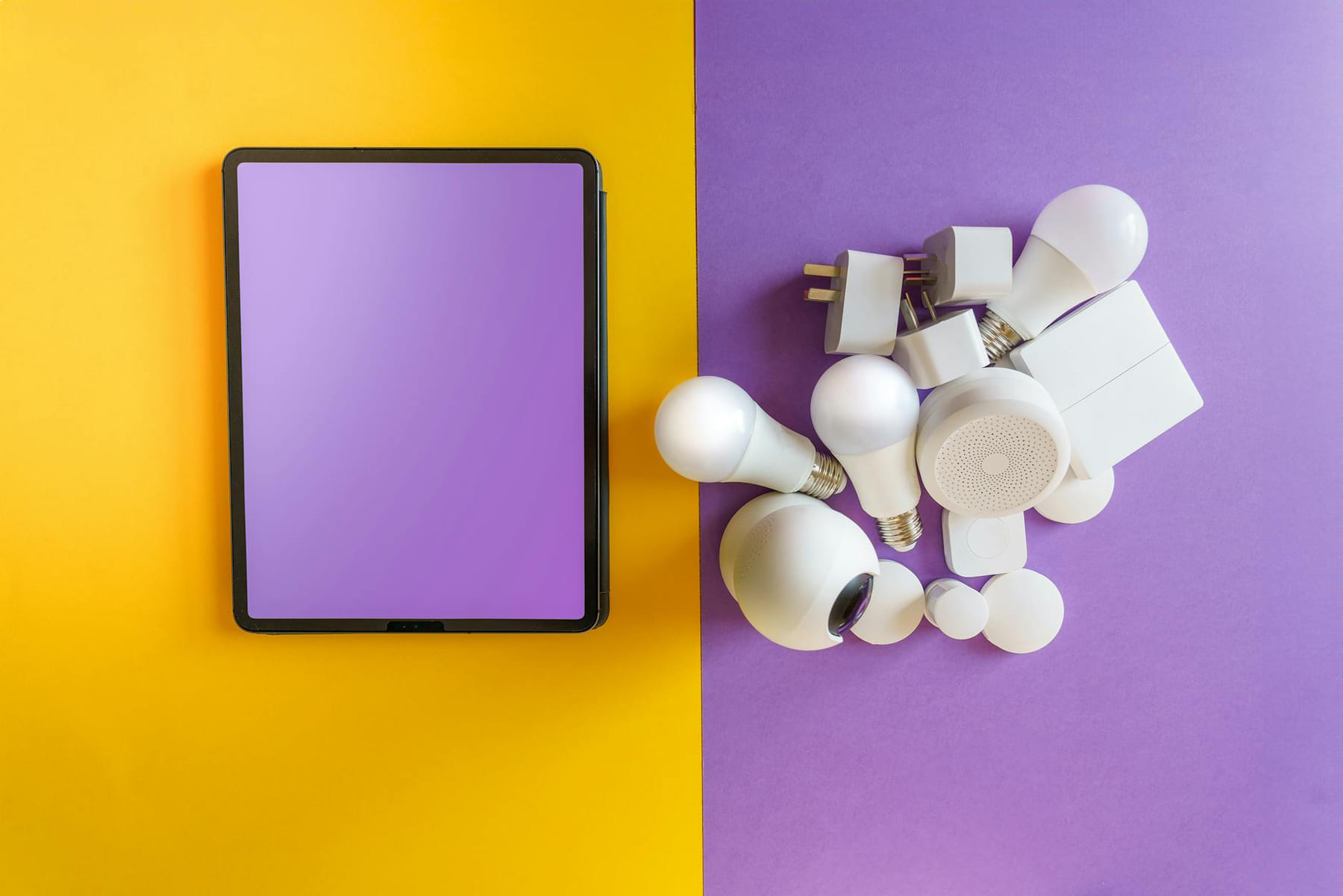
Next up: lighting. Smart bulbs and plugs are a relatively inexpensive way to add convenience and potentially lower your electricity bill. Philips Hue bulbs offer great brightness control and color options, but they’re a bit pricier - typically $15-$30 per bulb. Sengled bulbs are a great alternative, offering similar features at a slightly lower cost. Smart plugs, around $10-$20 each, let you control lamps and appliances remotely or schedule them to turn on and off automatically. Imagine turning off a forgotten lamp before you leave for the day, or having your outdoor lights automatically turn on at dusk. You could easily save 10-20% on your lighting bill over time, depending on how you use them.
Easy Entertainment - Streaming Made Simple
You don’t need a complicated home theater system to enjoy smart entertainment. A smart speaker like the Amazon Echo Dot 6th Gen or the Google Nest Mini is a fantastic and affordable entry point. Both offer voice control for music, podcasts, and information - and they’re usually around $30-$50. Pairing this with a streaming stick, like the Roku Express or Chromecast with Google TV, makes it incredibly easy to access your favorite streaming services. These sticks plug directly into your TV and give you instant access to Netflix, Hulu, Disney+, and more, typically costing between $30 and $60.
A Few Extra Touches: Climate and Kitchen Convenience
Let’s add a few more details. Smart thermostats like the Ecobee Lite or the Nest Thermostat E can help you manage your heating and cooling more efficiently. They learn your habits and automatically adjust the temperature to save energy, and they’re generally available for around $150-$250. Smart plugs can also be used to control appliances like coffee makers and fans, letting you schedule them to turn on and off automatically. A smart kitchen scale, which can help with recipes and accurate measurements, can be a surprisingly useful addition to the kitchen, often found for around $30-$60. Combining a smart thermostat and a few smart plugs will likely cost you around $80-$250.
Getting Started: Voice Assistants & DIY - It’s Easier Than You Think
Setting up a smart home doesn’t have to be a complicated, expensive process. The Amazon Echo Dot 6th Gen and the Google Nest Mini are both excellent choices, and they’re relatively easy to set up and integrate with other devices. They’re both around $30-$50. what helps most is to start small and experiment. Platforms like IFTTT (If This Then That) allow you to create simple automation routines - for example, turning on your lights when you arrive home, or playing your favorite music when you wake up. There are tons of tutorials online to guide you through the process.
Your Smart Home Budget Breakdown
Here’s a rough estimate of how much you might spend on a basic smart home setup: * Budget-Friendly ($200 - $500): Focus on security (door lock, motion sensor), smart lighting (a few smart bulbs or plugs), and a smart speaker.
- Mid-Range ($500 - $1000): Expand your security system (add a camera), add more smart bulbs and plugs, and consider a smart thermostat.
- Ambitious ($1000+): You're really starting to build a connected home! This would include a more comprehensive security system, a wider range of smart devices, and potentially a smart thermostat and smart appliances. (A downloadable checklist summarizing these ideas is available for premium subscribers - the recommendations below).
Wrapping Up: Small Changes, Real Results
Building a smart home doesn’t have to be a huge investment. Start with a few key areas that fit your needs and budget. Focusing on security, lighting, and energy management will give you the biggest immediate benefits. Don’t get caught up in the latest gadgets; prioritize what will genuinely improve your life. And keep an eye on emerging trends like Matter - a new connectivity standard that promises to make smart home devices more compatible - and local automation solutions that can be controlled directly from your home network. A little bit of smart tech can make a big difference in making your home more comfortable, secure, and efficient.
Keep This Practical
Smart-home decisions get easier when you solve one friction point at a time. Start with the device or routine that would save you the most hassle this week, then expand only after it proves useful.
Tools Worth A Look
If you are trying to make a home-tech decision with less guesswork, the products below are the closest fit for that goal.
- SwitchBot WiFi Hygrometer Thermometer with Hub, Dewpoint-VPD-Absolute Humidity Meter, Indoor Wireless Temperature Humidity Sensor Monitor with App ControlSURI 1.0 Sonic Electric Toothbrush with UV Cleaning Travel CaseLumary Standard Electrical Outlet, Smart in Wall Outlet Work with Alexa Google Home ETL FCC Certified 2.4G WiFi with ScrewsDivoom TimesFrame – 10.1" WiFi 6 Digital Picture FrameAuntyfey Sanitizeri Toothbrush Cleaner with 5 Slots
Some of the links on this page are Amazon affiliate links, which means I may earn a small commission if you make a purchase through them. As an Amazon Associate, I earn from qualifying purchases.
Related ReadingMore from Affordable Smart Living
Smart Home Savings: Step-by-Step
Step 1: Assess Your Energy Consumption - Know Where You're Losing Energy (Step-by-Step): Smart Home Savings: Step-by-Step: Energy-Saving Gadgets: A Step...
Smart Home Energy: Common Mistakes
Smart Home Energy can be easier to approach when you start with a few practical basics. * Compatibility Conflicts: You buy a smart plug, connect it to your voice.
Smart Home Savings: Easy Energy Wins
Energy-Saving Gadgets & Best Practices Smart Home can be easier to approach when you start with a few practical basics. Why Focus on Energy-Saving Gadge...