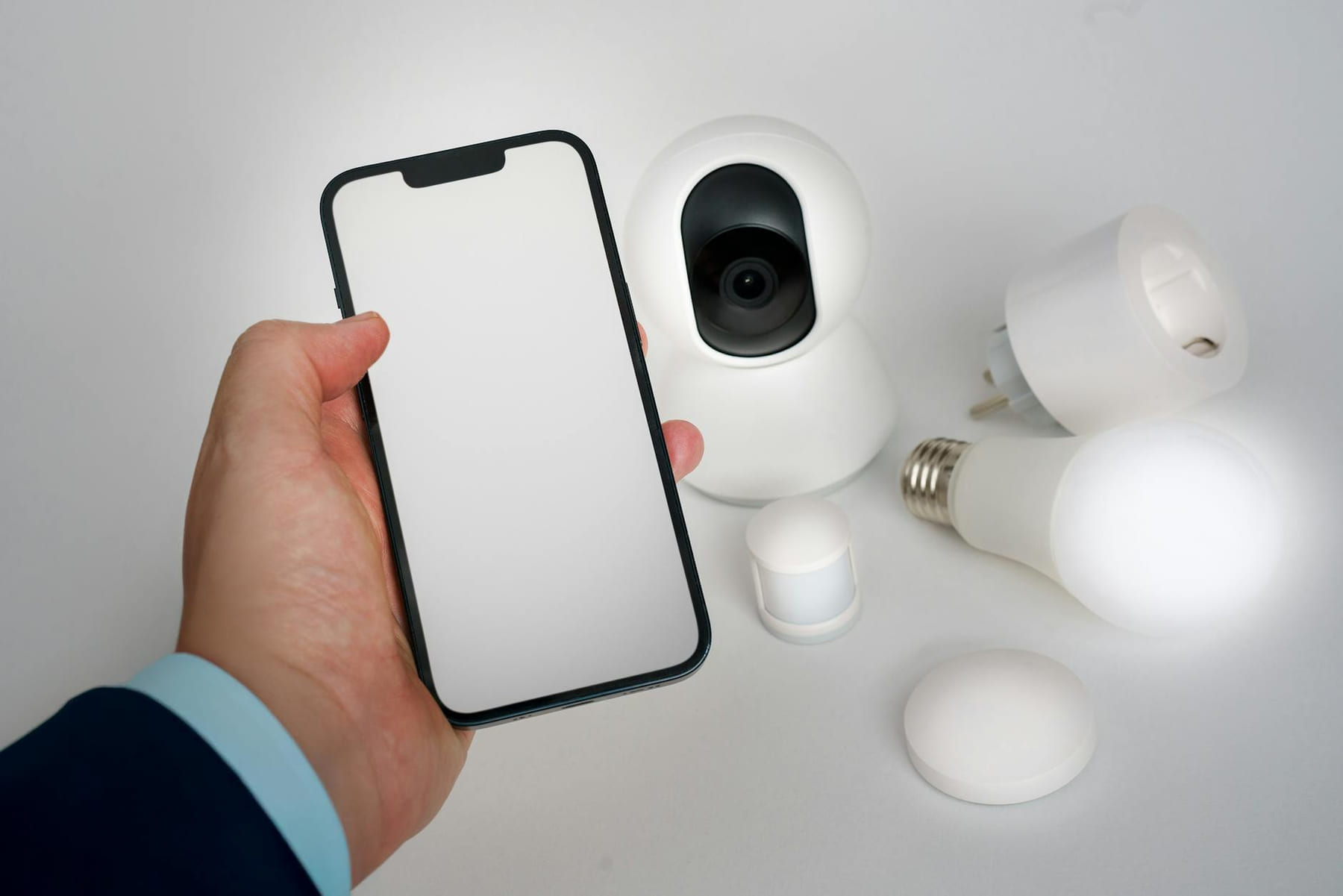
Five Smart Steps to a Smarter (and Cheaper) Home (Budget Smart)
Budget vs. Premium: What’s the Real Difference?
Where Your Money Goes: Cost Breakdown & Value
Let’s put some numbers to this. Here’s a rough estimate of the cost of each gadget, considering both budget and premium options:
| Gadget | Budget (Approx.) | Premium (Approx.) | Total Cost (Over 3 Years) |
|---|---|---|---|
| Smart Plug | $15 | $30 | $45 |
| Smart Bulb | $10 | $25 | $25 |
| Smart Thermostat | $30 | $80 | $75 |
| Security Camera | $20 | $50 | $30 |
| Voice Assistant Kit | $30 | $50 | $30 |
Note: These are estimates and can vary depending on the specific models purchased. Even over three years, the budget options offer significant savings. And, let’s be honest, you’re probably not going to be running your thermostat 24/7, so those energy savings add up.
Getting Started - It’s Easier Than You Think
One of the biggest hurdles to smart home adoption is often the perceived complexity. But with budget devices, the setup process is remarkably straightforward. Most plug-in devices simply connect to your Wi-Fi through a mobile app. Voice assistants are equally easy to set up - just follow the instructions in the app. Premium systems can require a bit more technical know-how. You might need to install a hub, troubleshoot connectivity issues, and spend some time learning the intricacies of the app interface. but budget devices integrate seamlessly with existing smart home ecosystems like IFTTT, Alexa Routines, and Google Assistant Routines, allowing you to create simple automation sequences without needing to look at complex programming.
Security & The Future - Keeping it Safe and Expanding
Smart home security is a serious consideration. Strong passwords are absolutely essential, and it’s a good idea to enable two-factor authentication wherever possible. Budget devices receive regular software updates, but it’s still important to keep an eye out for security vulnerabilities. Regarding durability, budget devices often have a decent warranty, but premium brands typically offer longer warranties and more robust build quality. Looking ahead, budget smart home gadgets can be upgraded or integrated with more advanced features as your needs evolve. You might start with a simple smart plug and a voice assistant, and then gradually add more sophisticated devices like smart locks or motion sensors.
Start with what you will actually use
With Budget Smart Homes: Easy Gadgets for Newbies, the first question is usually not which option looks best on paper. It is which part will make day-to-day life easier, smoother, or cheaper once the novelty wears off.
A lot of options sound great until you picture them in a normal week. If the setup is fussy, the routine is easy to forget, or the maintenance is annoying, the appeal fades quickly.
There is also value in keeping one part of the process deliberately simple. Readers often do better when they identify the one decision that carries the most weight and make that choice carefully before they chase smaller optimizations. That keeps momentum steady and usually prevents the topic from turning into clutter.
What tends to get overlooked
Tradeoffs are normal here. Cost, convenience, upkeep, and flexibility do not always line up neatly, so it helps to decide which tradeoff matters least to you before you commit.
This usually gets easier once you make a short list of priorities. A tighter list tends to produce better decisions than trying to solve every possible problem at once.
Another useful filter is asking what you would still recommend if the budget got tighter, the schedule got busier, or the setup had to be easier for someone else to manage. The answers to that question usually reveal which advice is durable and which advice only works under ideal conditions.
How to keep the setup simple
If you want Budget Smart Homes: Easy Gadgets for Newbies to hold up over time, choose the version you can actually maintain. That can mean spending less, leaving out an attractive extra, or simplifying the setup so it fits ordinary life.
The version that holds up best is usually the one you can live with on an ordinary day. That often matters more than the version that only feels good when you have extra time, energy, or money.
That is why the best next step is often a modest one with a clear upside. You want something specific enough to act on, flexible enough to adjust, and practical enough that you would still recommend it after the first burst of enthusiasm fades.
Costs that show up later
You do not need the flashiest answer here. You need the one that fits your space, budget, and routine well enough that you will still feel good about it after the first week.
In a topic like Budget smart home gadgets, manageable almost always beats impressive. If something is simple enough to keep using, it is usually doing more real work for you.
Readers usually get better results when they treat advice as something to test and refine, not something to obey perfectly. That mindset creates room for real judgment, which is often the difference between content that sounds smart and guidance that is actually useful.
What is worth skipping
It is easy to underestimate how much clarity comes from removing one unnecessary layer. In practice, trimming one complication often does more for Budget Smart Homes: Easy Gadgets for Newbies than adding one more feature, one more product, or one more clever workaround.
The options that age well are usually the ones that are easy to repeat. Reliability and low hassle often matter more than the most impressive-looking feature list.
When you are deciding what to do next, aim for the option that reduces friction and gives you a clearer read on what matters most. That is usually how Budget Smart Homes: Easy Gadgets for Newbies becomes more useful instead of more complicated.
A realistic next step
If this topic still feels crowded or overcomplicated, that is usually a sign to narrow the decision, not a sign that you need more noise. One careful adjustment, followed by honest observation, tends to teach more than another round of abstract tips.
A grounded next step is usually better than a dramatic one. Pick one realistic change, see how it works in normal life, and let that result guide the next decision.
Leave a little room to adjust as you go. A setup that works in one budget range, season, or routine might need a small change later, and that is usually normal rather than a sign you got it wrong.
Keep This Practical
The strongest home-tech upgrades are usually the ones you notice every day. Focus on reliability, simple setup, and whether the change genuinely makes the house easier to live in.
Tools Worth A Look
The recommendations here work best when you want practical home upgrades, not more device clutter.
- SMARTRO SC92 Professional Indoor Outdoor Thermometer Wireless Digital Hygrometer Room Humidity Gauge Temperature and Humidity Meter Pro Accuracy CalibrationKasa Smart Plug Mini, Smart Home Wi-Fi Outlet Works with Alexa & Google HomeBitvae Upgraded Tooth Brush Holder for Bathroom 2.0, Infrared Sensing Toothbrush CleanerQuntis RGB Pro+ Monitor Light Bar with Remote, 15 Modes Gaming Backlight, 4 Colors & Brightness Dimmable FronlightTUBE Travel Neck Pillow Stuffed with Clothes
Some of the links on this page are Amazon affiliate links, which means I may earn a small commission if you make a purchase through them. As an Amazon Associate, I earn from qualifying purchases.
Related ReadingMore from Affordable Smart Living
Smart Home Savings: Step-by-Step
Step 1: Assess Your Energy Consumption - Know Where You're Losing Energy (Step-by-Step): Smart Home Savings: Step-by-Step: Energy-Saving Gadgets: A Step...
Smart Home Energy: Common Mistakes
Smart Home Energy can be easier to approach when you start with a few practical basics. * Compatibility Conflicts: You buy a smart plug, connect it to your voice.
Smart Home Savings: Easy Energy Wins
Energy-Saving Gadgets & Best Practices Smart Home can be easier to approach when you start with a few practical basics. Why Focus on Energy-Saving Gadge...