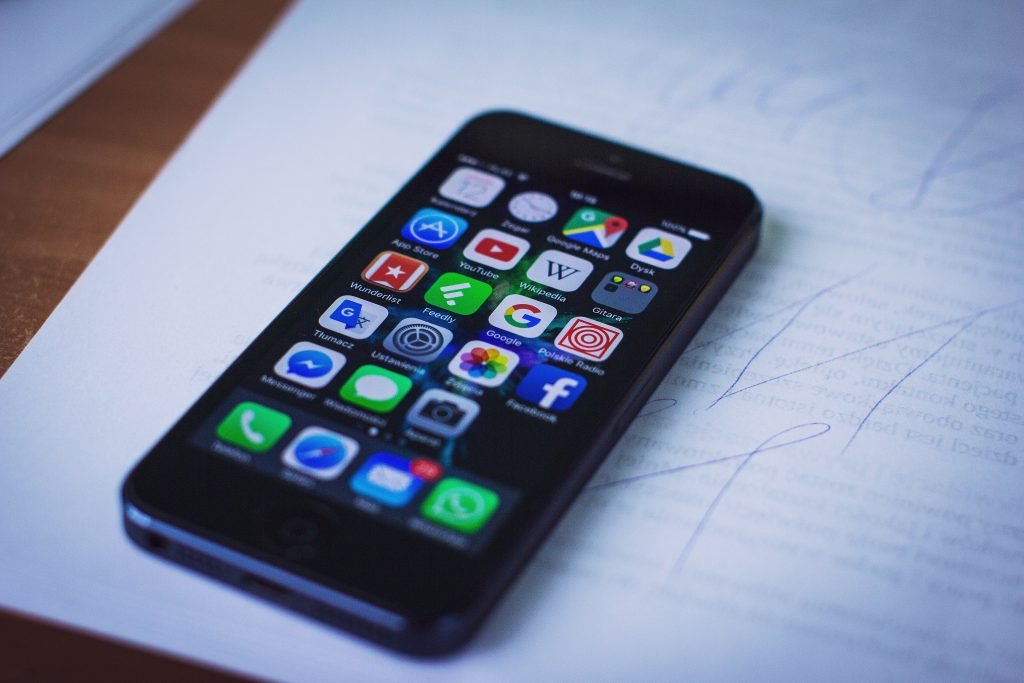
Energy-Saving Gadgets can be easier to approach when you start with a few practical basics.
Ever feel like your energy bill is just… climbing? It’s a surprisingly common feeling - and thankfully, smart home technology can offer a real solution. You don’t need a complete overhaul to make a difference, and many of these upgrades are surprisingly affordable. Let’s break down some of the most effective energy-saving gadgets and how they can help you shrink your energy consumption without breaking the bank.
What Gadgets Actually Make a Difference? (Energy-Saving Gadgets)
- Smart Plugs: These little plugs are incredibly versatile. They let you control appliances remotely - think turning off that space heater you sometimes forget about, or cutting power to the entertainment center when it’s not in use. They combat “phantom energy drain” - the electricity appliances use even when they’re switched off. You can typically find them for around $10 to $30 each.
- Smart Thermostats: This is arguably the biggest energy saver in your home. Smart thermostats learn your routine and automatically adjust the temperature, ensuring you’re not heating or cooling an empty house. Plus, you can control them from your phone, so you can adjust the temperature on your way home. Prices range from about $80 to $250, depending on the features and brand.
- LED Lighting (and Smart Bulbs): Switching to LED bulbs was a good move years ago, but upgrading to smart LED bulbs takes it to the next level. You can control them individually or in groups, dim them, and even set schedules. They use significantly less energy than traditional bulbs and last much longer. Smart bulbs typically cost $15 to $35 per bulb.
- Smart Power Strips: Similar to smart plugs, but designed for power strips. These ensure that all the devices plugged into the strip are turned off when the strip is switched off, eliminating phantom power. Look for ones with surge protection for added peace of mind. You’ll find these around $20 to $40.
- Leak Detectors: While not directly reducing energy consumption, a water leak detector can prevent costly water damage and wasted water, which indirectly saves energy used to heat and pump water. These are relatively inexpensive, often under $50.
- Smart Window Shades: These automate your window coverings, adjusting them based on sunlight and temperature. In the summer, they can block out the intense heat, reducing the need for air conditioning. They’re a bit of a splurge - around $100 to $300 per unit, but the long-term savings can be significant.
Budget Breakdown - How Much Will It Really Cost?
- Smart Plugs: $10 - $30. You can start with a basic two-pack for around $20 and gradually add more as needed.
- Smart Thermostats: $80 - $250. Entry-level models from brands like Nest and Ecobee start around $150. Keep an eye out for sales and rebates.
- LED Lighting: $15 - $35 per bulb. Buying a bulk pack of LEDs can save you money.
- Smart Power Strips: $20 - $40. Consider a simple, basic model to start.
- Leak Detectors: Under $50. Many affordable options are available that connect to your smartphone.
- Smart Window Shades: $100 - $300 per unit. Explore DIY options like automated curtain tracks if you’re handy. And don’t forget to check with your local utility company! Many offer rebates and incentives for installing energy-efficient appliances and smart home devices. As of 2026, some programs are offering up to 30% off smart thermostat purchases.
Getting Started - It’s Easier Than You Think
One of the biggest hurdles to smart home technology is often the feeling that it’s complicated. But the reality is, most of these gadgets are surprisingly easy to set up.
- Smart Plugs: Most smart plugs connect to your Wi-Fi network via an app on your smartphone. Simply plug the plug into an outlet, review the app, and follow the instructions to connect it to your Wi-Fi. Voice control integration with Google Home, Alexa, and HomeKit is usually seamless.
- Smart Thermostats: Similar to smart plugs, smart thermostats connect to your Wi-Fi network and are controlled through a smartphone app. They also typically offer voice control integration. Professional installation is recommended for complex wiring situations, but most users can handle the basic setup themselves.
- Smart Bulbs: Smart bulbs connect to your Wi-Fi network and are controlled through an app. Some bulbs require a hub, while others connect directly to your Wi-Fi. Again, setup is generally straightforward.
Do These Gadgets Actually Save Energy?
You might be wondering, “Okay, these gadgets sound great, but do they really save me money?” The short answer is: yes, but it’s not a magic bullet. The amount you save depends on your habits and how you use the gadgets. Studies show that smart thermostats can reduce energy consumption by 10-12% on average. Consumer Reports has confirmed these findings. but the biggest impact often comes from eliminating phantom energy drain - those little bits of electricity used by devices when they’re supposedly off. It’s important to remember that smart gadgets work best when combined with mindful energy consumption. Don’t just install a smart plug and forget about it. Use it to turn off devices when you’re not using them. Adjust your thermostat schedule to match your lifestyle. Small changes can add up to significant savings over time.
Frequently Asked Questions
- “Smart Plug Energy Saving - Do they actually work?” Absolutely! They prevent phantom energy drain, which can account for a surprising amount of your electricity bill.
- “Smart Thermostat Cost vs. Savings - Is it worth the investment?” It depends on your heating and cooling habits. A smart thermostat can pay for itself within 2-5 years through energy savings. Factor in the cost of your energy and your current thermostat’s efficiency.
- “What about privacy and security?” This is a valid concern. Like any connected device, smart gadgets can be vulnerable to hacking. Choose reputable brands with strong security features and keep your Wi-Fi network secure. Regularly update the firmware on your devices.
- “Compatibility issues - will my devices work together?” Most smart home devices are compatible with popular voice assistants like Google Home and Alexa. but it's always a good idea to check the compatibility of devices before purchasing them. Look for devices that support open standards like Zigbee and Z-Wave.
Wrapping Up - Taking Control of Your Energy Bill
Investing in affordable energy-saving smart home gadgets is a smart move for both your wallet and the environment. It’s a relatively low-risk way to start building a more efficient and sustainable home. Ready to take the plunge? Explore some of the recommended gadgets above - and keep an eye out for those rebates!
Keep This Practical
Smart-home decisions get easier when you solve one friction point at a time. Start with the device or routine that would save you the most hassle this week, then expand only after it proves useful.
Tools Worth A Look
If you are trying to make a home-tech decision with less guesswork, the products below are the closest fit for that goal.
- UV Toothbrush Sanitizer Holder & Cleaner with LED Clock Display & Hot Air Drying – Wall-Mounted UV Tooth Brush Holder for Bathroom Decor, Travel UseEujgoov Smart WiFi Electricity Meter Tracking Tuya APP Support Home Power Consumption Monitor Custom Scenarios Appliance AlertsCync Indoor Smart Plug, WiFi Outlet Socket, Voice Control Outlet, Matter Compatible, Compatible with Alexa and Google Home (3 Pack)Smart Watch for Women Men, Smartwatch for iPhone & Android Bluetooth (Answer/Call) Built-in Alexa, 1.91" HD Fitness Tracker
Some of the links on this page are Amazon affiliate links, which means I may earn a small commission if you make a purchase through them. As an Amazon Associate, I earn from qualifying purchases.
Related ReadingMore from Affordable Smart Living

Smart Home Energy Savings Guide
A practical guide to smart home energy savings, starting with everyday devices, thermostat routines, smart plugs, lighting, and useful sensors.
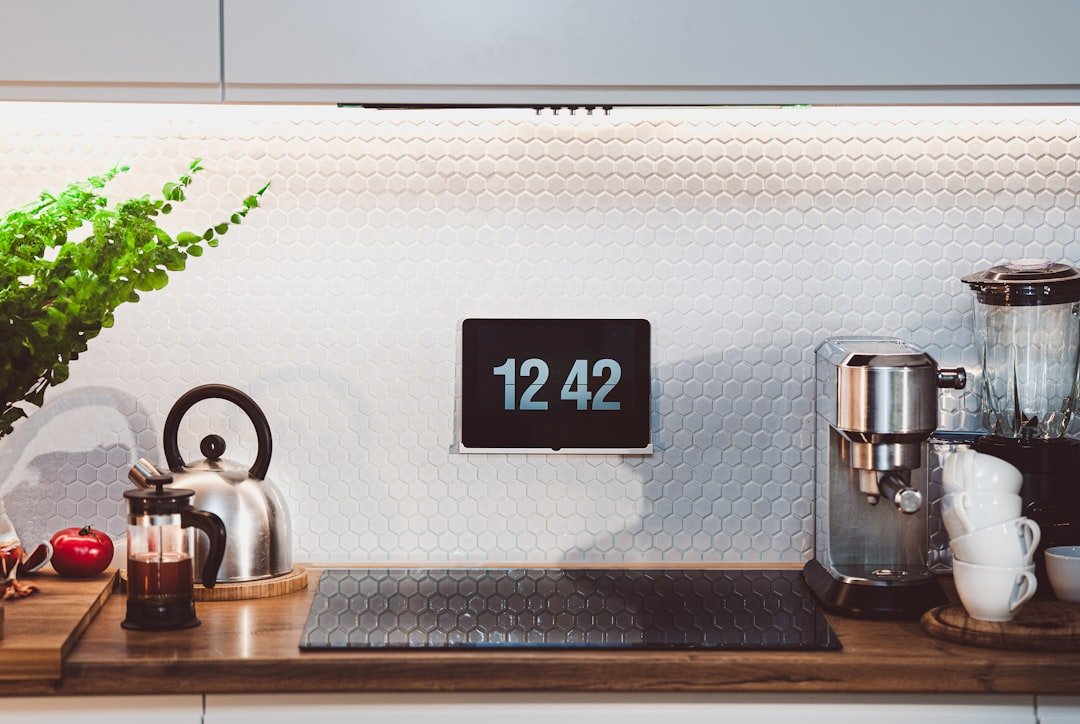
Smart Home Savings: Step-by-Step
A practical step-by-step smart home savings plan for prioritizing energy checks, thermostat settings, smart plugs, lighting, and simple sensors.
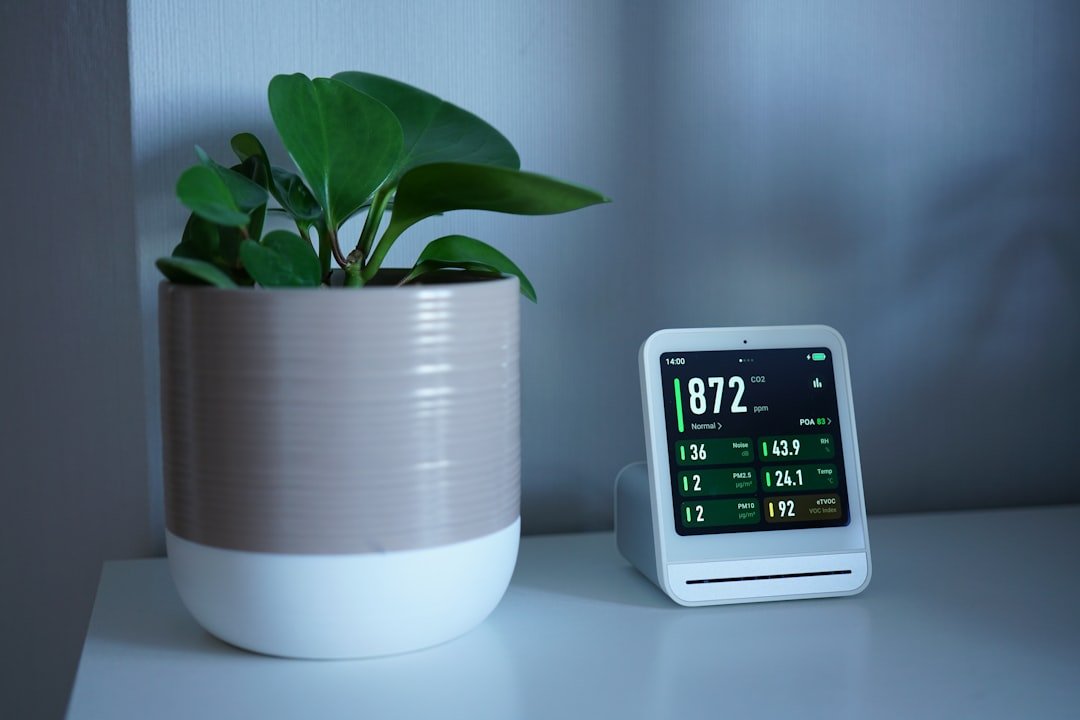
Smart Home Energy: Common Mistakes
Smart Home Energy can be easier to approach when you start with a few practical basics. * Compatibility Conflicts: You buy a smart plug, connect it to your voice.