
Let’s be honest, the idea of a “smart home” used to feel a little overwhelming. Visions of expensive hubs, complicated setups, and subscriptions that quickly emptied your wallet probably popped into your head. But things have changed. Tech has become more accessible, and frankly, a lot of the initial hype has settled down. In 2026, you can build a genuinely useful and comfortable smart home without emptying your bank account. Now, “affordable” is a tricky word. Inflation has definitely added to prices, so what seemed reasonable a few years back might not today. We’re talking about devices that deliver real value - convenience, a little energy savings, and a touch of peace of mind - for under $150 on average, with plenty of options even lower. this post is for you: whether you’re a millennial, Gen Z-er, or starting a young family, looking to dip your toes into smart home tech without getting overwhelmed. ---
Smart Lighting - Brighten Your Home, Smartly
Let’s start with something most of us can appreciate: lighting. Smart bulbs and plugs have come far - they’re not just about turning lights on and off remotely. Think about lower energy bills, creating the perfect mood for movie night, and adding a subtle touch of ambiance to your living space. You don’t need to overhaul your entire lighting system to see a difference. Phillips Hue’s entry-level bulbs, especially the “Hue Sync” range, are surprisingly affordable now and offer some fantastic color-changing capabilities. LIFX Mini bulbs are another great option - they’re bright, come in many colors, and are genuinely easy to set up. Keep an eye out for starter kits; you can often snag a decent selection of bulbs for a good price. Key things to look for: dimming is essential (no one wants a blindingly bright light!), color changing adds a lot of flexibility, and good app integration makes controlling everything from your phone or tablet a breeze. ---
Smart Plugs & Sensors - Take Control
Beyond lighting, smart plugs and sensors offer a surprising amount of control and insight into your home’s energy usage. A smart plug lets you turn anything - lamps, appliances, even your space heater - on and off remotely, or schedule it to do so. It’s surprisingly helpful for preventing those phantom power drains (that electricity used when devices are still plugged in, even when switched off). The TP-Link Kasa Smart Plugs are consistently a solid choice. They offer energy monitoring, which is a really neat feature for tracking how much electricity your appliances are actually using. For basic functionality and a super low price, the Wyze Plug is hard to beat. And don't forget about Aqara sensors - motion, door/window, and temperature sensors - which can be integrated with various hubs to automate your home. Imagine your lights automatically turning on when you walk into a room, or your thermostat adjusting based on the temperature inside. ---
Security & Voice Control - Keeping Things Safe & Connected
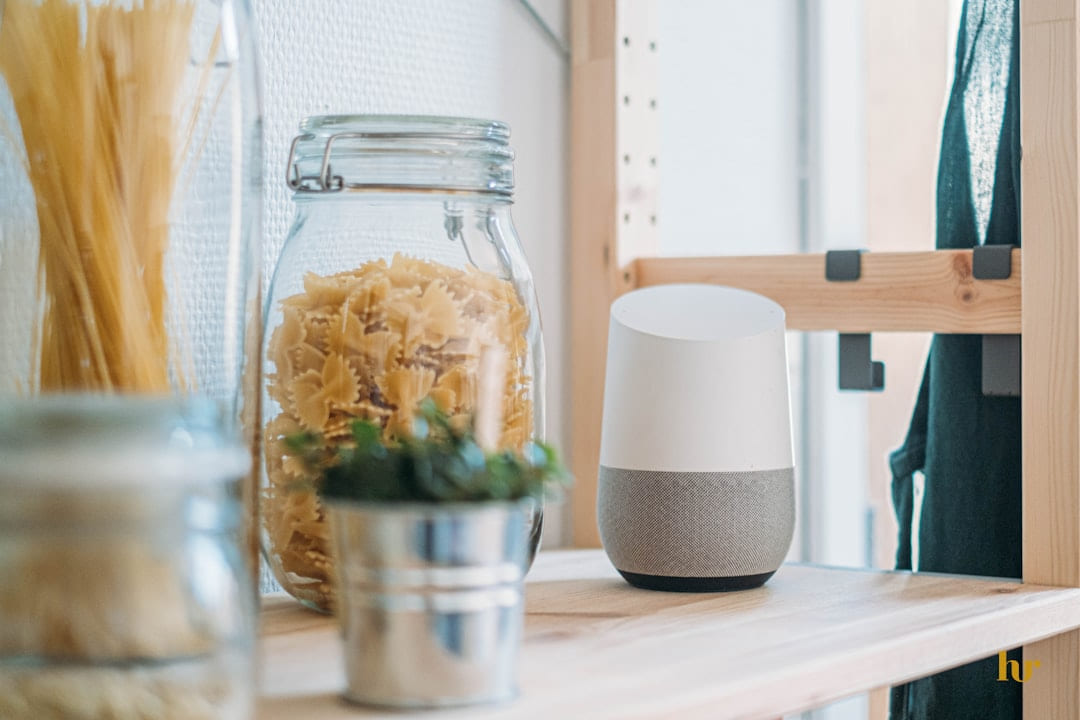
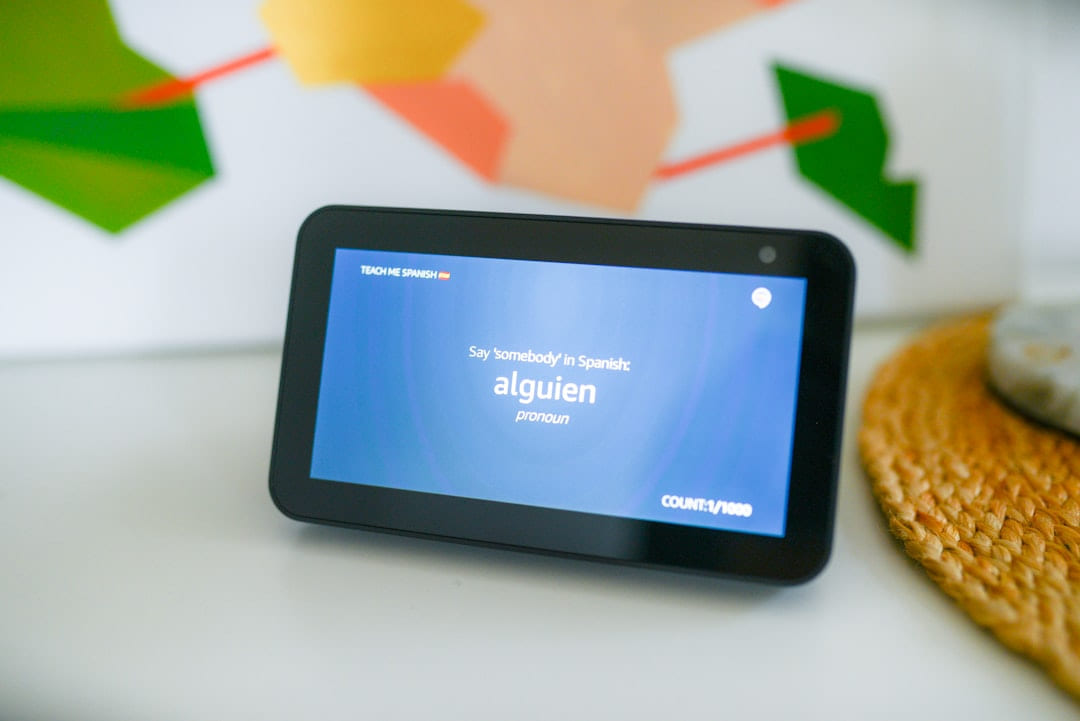
Security and convenience are big drivers behind smart home adoption, and you don’t need to spend a fortune to get started. Wyze Cam is consistently a top recommendation for affordable video surveillance. It’s surprisingly effective, offers decent image quality, and has a very easy setup process. Blink Outdoor, with its battery-powered design, is another excellent option if you don’t want to deal with wiring. with voice control, the Amazon Echo Dot and Google Nest Mini remain popular choices. They’re incredibly affordable, offer seamless integration with a huge range of smart home devices, and are generally very user-friendly. Just remember to be mindful of privacy - it’s always a good idea to review the data collection practices of any voice assistant. ---
Smart Thermostats & Integration
Controlling your home’s temperature efficiently can make a real difference in your energy bills. The Honeywell Home T9 is a good option if you’re looking for energy-saving features - it learns your habits and adjusts the temperature accordingly. The Ecobee3 Lite is another solid choice, offering remote control, smart features, and compatibility with Apple HomeKit, Google Assistant, and Amazon Alexa. It’s important to think about integration; you want a thermostat that works well with your existing smart home setup. ---
FAQs - Addressing Your Questions
Let’s tackle some common questions about building a budget-friendly smart home: * How much does a budget smart home really cost? You can definitely get started for under $300. Focusing on lighting, smart plugs, and a basic voice assistant will get you a long way. Spending $500-$700 will give you a more comprehensive system.
- Are budget smart home gadgets compatible with my existing devices? Compatibility can vary. Look for devices that support Apple HomeKit, Google Assistant, and Amazon Alexa for broader compatibility. Always check the device’s specifications carefully.
- How difficult is it to set up these devices? Most budget smart home gadgets are remarkably easy to set up. The apps are usually intuitive, and the instructions are clear. Don’t be afraid to watch a few YouTube tutorials if you get stuck.
- What are the security implications of using budget smart home gadgets? Security is a big deal. Use strong passwords, enable two-factor authentication whenever possible, and keep your devices’ firmware updated.
- What are the best smart home hubs for beginners? The Amazon Echo Dot and Google Nest Mini are excellent starting points. They offer voice control, app integration, and a relatively simple setup process. ---
Conclusion
Building a smart home doesn’t have to be a major investment. By focusing on key areas like lighting, plugs, and security, you can create a more comfortable, convenient, and energy-efficient home without breaking the bank. Don’t feel intimidated by the technology - start small, experiment, and gradually build your smart home ecosystem over time. The future of home living is becoming increasingly accessible, and it’s a really exciting space to explore.
Keep This Practical
Smart-home decisions get easier when you solve one friction point at a time. Start with the device or routine that would save you the most hassle this week, then expand only after it proves useful.
Tools Worth A Look
If you are trying to make a home-tech decision with less guesswork, the products below are the closest fit for that goal.
- Mini Projector with WiFi and Bluetooth, Portable Projector 4k 1080P Support 5w Sound Base Speaker, 170 ANSI, Android 11WIFI Metering Circuit Breaker APP Voice Control Power Consumption Monitoring Smart Home Switch with Timing AC90‑300V (25a)HOOBRO End Table with Charging Station, Narrow Side Table, NightstandGoveeLife WiFi Refrigerator Thermometer with Alarm, Wireless Digital Freezer Temperature Gauge with App ControlWiFi Smart Plug - Compatible with Alexa & Google Home - WiFi Outlet for Remote Control & Timer and Schedule Function - No Hub Required
Some of the links on this page are Amazon affiliate links, which means I may earn a small commission if you make a purchase through them. As an Amazon Associate, I earn from qualifying purchases.
Related ReadingMore from Affordable Smart Living
Smart Home Savings: Simple Gadget Guide
Building a Smarter Home - Without Breaking the Bank It’s 2026, and the idea of a “smart home” used to feel…well, a little intimidating. Visions of complex setups.

Simple Smart Home: A Beginner's Guide
Once you’ve tackled the basics, you can start exploring other smart home gadgets. Smart thermostats, smart speakers, and even smart kitchen appliances are all.
Easy Smart Home Tech for Beginners
Building a Smart Home on a Budget: Your 2026 Guide Feeling like the smart home revolution is happening *around* you while you’re stuck with a dusty old light.