Building a Smarter Home - Without Breaking the Bank It’s 2026, and the idea of a “smart home” used to feel…well, a little intimidating. Visions of complex setups, expensive hubs, and a constant need to tweak settings danced in our heads. But the truth is, building a genuinely useful and convenient smart home doesn’t require a fortune. In fact, the past few years have seen a remarkable shift - a wave of affordable smart home gadgets that let you add a little automation, security, and energy efficiency to your life without emptying your wallet. Essentially, affordable smart living is about making your home a little easier, a little safer, and a little more responsive to you, all while keeping an eye on the bottom line. We’re not talking about a complete overhaul; we’re talking about carefully chosen, strategically placed gadgets that make a real difference. this post is designed to help you take those first steps, focusing on a tiered approach - starting with simple, budget-friendly options and gradually expanding as you get comfortable and discover what truly adds value to your daily routine.
Budget Levels: Where to Start (Smart Home)
- Under $50: This is your gateway to smart living. You’ll find a surprising amount of functionality here - devices that can automate simple tasks and add a touch of convenience. Think smart plugs to control lamps and appliances, basic smart bulbs that let you adjust the mood of a room, and motion-activated lights that provide added security. You’ll also find simple sensors that can alert you to open doors or windows.
- $50 - $150: Now we’re talking about some genuinely useful additions. Smart thermostats are a big one - they can learn your heating and cooling preferences and help you save money on energy bills. Entry-level security cameras are becoming increasingly affordable, offering a basic level of home monitoring. Smart speakers - like the latest iterations from Amazon and Google - are great for voice control and playing music. And finally, basic door/window sensors offer a simple layer of security awareness.
- $150 - $300: This range unlocks a bit more sophistication. Smart door locks provide keyless entry and enhanced security, while irrigation controllers can automate your lawn watering schedule. Smart pet feeders are a game-changer for busy pet owners, and smart displays (like the Google Nest Hub Max) offer a convenient way to view information and control your smart home devices. You’ll notice a trend: refurbished options are becoming increasingly prevalent within each tier. Don’t overlook them! Often, you can find gently used devices in excellent condition at a significant discount. Just be sure to buy from reputable sellers with good return policies.
The Essentials: Where to Focus First
Okay, let’s talk about the things you should seriously consider grabbing first. These are the gadgets that offer the biggest bang for your buck and will have the most immediate impact on your daily life.
- Smart Plugs: Seriously, start here. They're incredibly versatile. You can plug in almost anything - a lamp, a space heater, a coffee maker - and control it remotely with your phone. They're a fantastic way to test the waters of smart home automation without a huge investment. I’ve found the basic ones from Amazon are perfectly adequate and cost around $20.
- Smart Bulbs: Color-changing bulbs are fun, but even simple, dimmable smart bulbs can make a big difference. They’re easy to install (usually just screw them in and connect to your Wi-Fi), and you can control them with your voice or app. They’re a fantastic way to set the mood in a room.
- Motion-Activated Lights: This is a surprisingly effective security measure and a huge convenience. They automatically turn on when someone approaches, eliminating the need to fumble for a light switch in the dark.
- Simple Door/Window Sensors: These are the building blocks of a basic security system. They send alerts to your phone if a door or window is opened while you’re away.
Getting It All to Talk: Ecosystems and Hubs
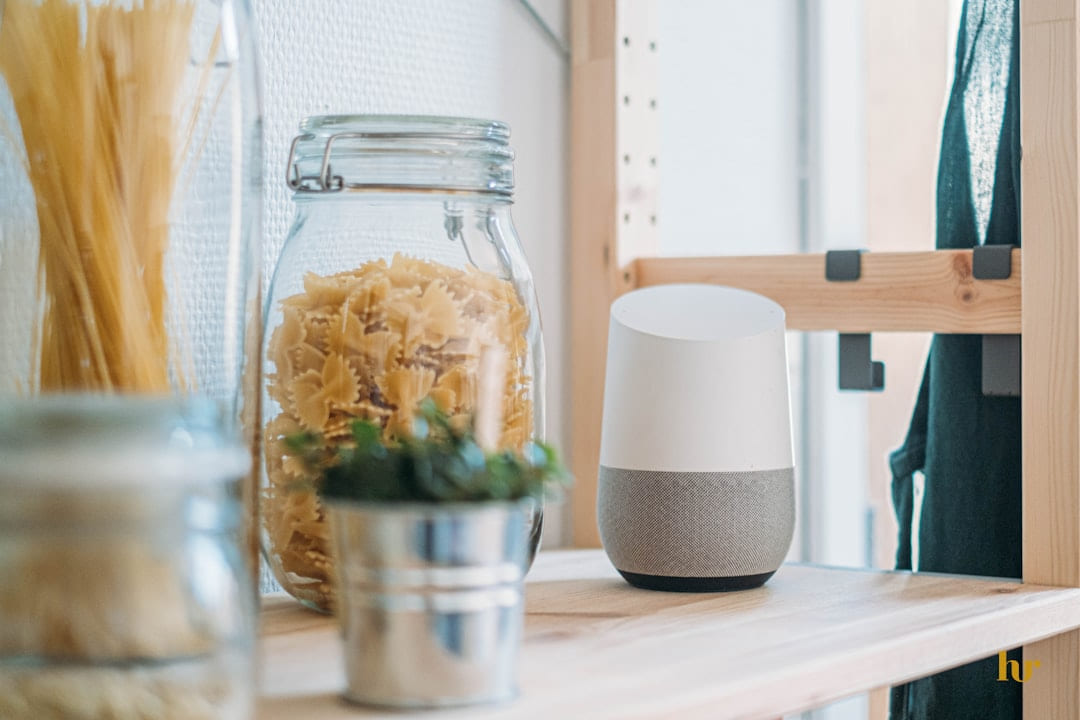
Now, here’s where things can get a little tricky. Not all smart devices play nicely together. That's why choosing a compatible ecosystem is important. Both Amazon’s Alexa and Google’s Assistant have massive device support, making them excellent choices for beginners. You’ll likely find that most devices will work with at least one of these platforms. Do you need a smart home hub? Honestly, it depends. The latest Amazon Echo devices and Google Nest Hubs have built-in hubs, so you can control many devices directly through them. but if you plan on using a lot of devices from different manufacturers, a dedicated hub can simplify things. Affordable options like the Amazon Echo Hub or the Google Nest Hub Max (if you need a display) offer decent functionality for around $50-$100. Just be mindful of compatibility - check the manufacturer’s website to ensure your devices will work together.
Saving Money and Staying Secure
Let’s be upfront: some smart home services come with subscription fees. While they can offer extra features, you don’t need them to get started. For example, you can often control your smart plugs and bulbs manually without a subscription. Energy efficiency is a huge benefit of smart home technology. Smart thermostats can learn your habits and adjust the temperature automatically, saving you money on your energy bills. And, of course, DIY installation will save you the cost of professional setup fees. Finally, don’t forget about security. Use strong, unique passwords for all your smart devices. Enable two-factor authentication whenever possible, and be mindful of your privacy settings.
Wrapping Up
Building a smart home doesn’t have to be a massive undertaking or a huge expense. By starting small, focusing on the essentials, and being mindful of your budget, you can transform your home into a more convenient, secure, and energy-efficient space. Don’t feel pressured to buy everything at once. Take your time, do your research, and gradually expand your smart home setup as you discover what works best for you. Want to learn more? amazon.com/], Best Buy [
Keep This Practical
The strongest home-tech upgrades are usually the ones you notice every day. Focus on reliability, simple setup, and whether the change genuinely makes the house easier to live in.
Tools Worth A Look
The recommendations here work best when you want practical home upgrades, not more device clutter.
- Smart Wireless Charging Table Lamp, Multifunctional Bluetooth Speaker & Alarm ClockGovee Digital Meat Thermometer for Grilling & Smoking, WiFi & BluetoothQingping Air Monitor Lite, Apple HomeKit Compatible Wi-Fi Indoor Air Quality Meter Detects Home CO2, PM2.5, PM10, Temperature, and HumidityDAKboard CPU Mini - DIY Smart Home Display, Shared Family Calendar & Organizer with to-Dos & Digital PhotosKwikset Home Connect 620 Smart Lock Deadbolt with Z-Wave Technology, Works with Ring Alarm, Samsung Smartthings and More, Z-Wave Hub Required
Some of the links on this page are Amazon affiliate links, which means I may earn a small commission if you make a purchase through them. As an Amazon Associate, I earn from qualifying purchases.
Related ReadingMore from Affordable Smart Living

Smart Home Gadgets: A Budget-Friendly FAQ
Building a Smart Home Without the Sticker Shock Let’s be honest, the idea of a “smart home” used to feel a little overwhelming. Visions of expensive hubs.

Simple Smart Home: A Beginner's Guide
Once you’ve tackled the basics, you can start exploring other smart home gadgets. Smart thermostats, smart speakers, and even smart kitchen appliances are all.
Easy Smart Home Tech for Beginners
Building a Smart Home on a Budget: Your 2026 Guide Feeling like the smart home revolution is happening *around* you while you’re stuck with a dusty old light.