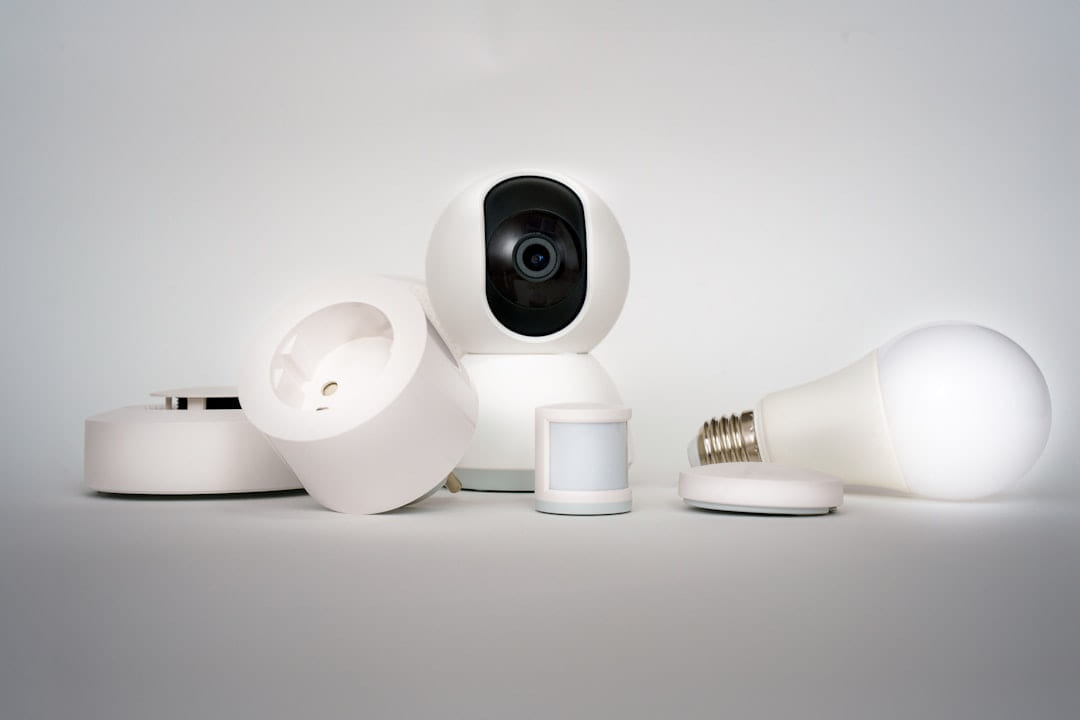
Let’s be honest, the idea of a smart home - lights that dim with a voice command, a security system that keeps an eye on things, and a thermostat that seems to know exactly when you want the temperature just right - it’s pretty appealing. But those glossy ads from companies like Nest and Philips Hue can quickly make you think you need to spend a fortune to get started. The good news is, a genuinely smart home doesn’t have to drain your bank account. Over the past few years, we’ve seen a lot of affordable smart home gadgets pop up, offering a surprising amount of functionality without the premium price tag. It’s especially popular with Millennials and Gen Z who are eager to upgrade their homes while being mindful of their spending. This article is all about cutting through the noise and helping you figure out if those budget-friendly options actually deliver, or if investing in the bigger brands is the better move. Let's break down the trade-offs, look at what really matters, and share some solid recommendations for 2026.
A Quick Look at the Smart Home Landscape
When we talk about “smart home gadgets,” we’re essentially talking about devices that connect to your internet and let you control them remotely, often through your smartphone. You’ve got your lighting, security systems, entertainment devices, and even climate control - all vying for a spot in your connected life. Brands like Wyze and TP-Link Kasa are offering some really compelling alternatives to the established giants. These companies often undercut the competition on price, and while they might not have all the bells and whistles of the top-tier brands, they pack a surprising amount of smarts into their devices. You’re typically looking at a difference of anywhere from 30% to 60% in initial cost - a smart bulb from a budget brand might cost around $10, while a Philips Hue bulb can easily run $30 or more. It’s a significant difference, and something worth considering as you make your choices.
What Features *Really* Matter?
Let’s get down to brass tacks. We’re not just talking about “smart” here; we’re talking about whether the features you actually use are present. Let’s break it down by category: Lighting: Budget smart bulbs - think Wyze and Kasa - do a fantastic job with the basics. You can control them with an app, set schedules, and dim them. That’s it. Premium options, like Philips Hue, add color changing, scene settings (think “movie night” or “reading light”), and even integration with voice assistants beyond just Alexa and Google Assistant. The core functionality is there in the budget versions, but you’re missing out on a lot of the nuanced control and aesthetic possibilities. Security: At the low end, you’ll find cameras from brands like Wyze that offer decent video quality and motion detection. They’re great for a basic overview of what’s happening outside your door. but premium systems, like Ring, offer features like facial recognition, professional monitoring, and more sophisticated analytics. If you’re primarily looking for peace of mind and don’t need advanced features, a budget camera is a good start. But if you’re serious about security, you’ll likely want to invest in something with more robust capabilities. Entertainment: Smart speakers like the Echo Dot and Google Nest Mini are incredibly popular and affordable. They stream music, play podcasts, and answer questions. Premium streaming devices like Apple TV and Roku offer a wider range of apps and higher-quality video. Again, the budget options cover the essentials - you can stream music and control your TV - but the premium versions offer a more polished experience with broader compatibility and often better performance. Climate Control: Smart thermostats from brands like Honeywell and Ecobee offer features like learning your schedule and automatically adjusting the temperature. While budget thermostats like the Kasa Smart Thermostat can do a decent job, premium models offer more granular control, zone heating/cooling, and integration with other smart home devices. If you’re focused on energy savings and convenience, a basic smart thermostat is a worthwhile investment, but don’t expect the same level of sophistication as the higher-end models.
Lifespan and Support: A Realistic Look
Let’s be honest: budget gadgets often have a shorter lifespan than their premium counterparts. User reviews from late 2026 consistently show that devices from brands like Wyze can experience connectivity issues and software glitches more frequently. While the initial cost is lower, you might find yourself replacing these devices sooner than you’d like. Warranty lengths are another area where budget brands typically fall short. Wyze, for example, offers a one-year warranty, while Nest and Philips Hue provide two-year warranties. Support is also a factor. Budget brands often rely on online forums and community support, which can be helpful but isn’t always reliable. Premium brands offer dedicated customer service teams, which can be a lifesaver when you’re troubleshooting a problem. It’s not to say budget gadgets are bad, but be prepared for a potentially shorter lifespan and less robust support.
Ease of Use & Ecosystem Integration - The Setup Factor
Setting up a smart home shouldn’t feel like you’re building a rocket ship. Budget gadgets can sometimes be a little more challenging to set up. You might need to tinker with the app settings or troubleshoot connectivity issues more frequently. Premium brands tend to have more user-friendly interfaces and simpler setup processes. Ecosystem integration is also crucial. If you already have a smart speaker, you’ll want to choose devices that work seamlessly with it. Budget gadgets may have limited compatibility with Alexa, Google Assistant, or HomeKit. This can lead to frustration if you’re trying to create a truly integrated smart home experience. It’s worth taking the time to research compatibility before you buy.
2026 Recommendations: Smart Choices for Now
Here are a few recommendations for 2026, balancing affordability and functionality: * Wyze Cam v4 ($39.99): A really solid choice for a basic security camera - it’s surprisingly good quality for the price, but lacks some of the advanced features.
- TP-Link Kasa Smart Plug ($14.99): A reliable and affordable way to control lamps and other appliances remotely.
- Ecobee Smart Thermostat Lite ($129.99): A good entry-level smart thermostat that offers basic scheduling and energy savings features.
- Wyze Bulb Color ($9.99): A decent option for adding color to your smart lighting setup.
- Google Nest Mini ($39.99): A compact and affordable smart speaker that’s great for streaming music and controlling your other smart home devices.
The Bottom Line
Building a smart home doesn’t have to mean emptying your wallet. Budget smart home gadgets offer a fantastic way to get started and experience the benefits of connected living. Prioritize your needs, do your research, and don’t be afraid to start small. You don’t need to buy every gadget at once. Focus on the areas where you’ll get the most value - perhaps security or lighting - and gradually expand your smart home ecosystem over time. in practice, the best smart home is the one that works for you, and that doesn’t necessarily require a hefty investment.
Keep This Practical
The strongest home-tech upgrades are usually the ones you notice every day. Focus on reliability, simple setup, and whether the change genuinely makes the house easier to live in.
Tools Worth A Look
The recommendations here work best when you want practical home upgrades, not more device clutter.
- Electric Towel Rack with Voice Control for Alexa and Google Home,TUYA142 IN 1 Professional Computer Repair Tool KitDual Smart Plug 15A, GHome Smart Plugs Work with Alexa and Google Home, 2-in-1 Compact Smart Outlet Timer with APPIntelligent Leakage Protector Metering Switch, Real Time Display, Multiple with Control for Tuya AppUV Toothbrush Sanitizer Holder & Cleaner with LED Clock Display & Hot Air Drying – Wall-Mounted UV Tooth Brush Holder for Bathroom Decor, Travel Use
Some of the links on this page are Amazon affiliate links, which means I may earn a small commission if you make a purchase through them. As an Amazon Associate, I earn from qualifying purchases.
Related ReadingMore from Affordable Smart Living
Energy Gadgets: Fixing Common Issues
Common Issues can be easier to approach when you start with a few practical basics. * Energy Readings Don’t Seem Right: Smart plugs and energy monitors can be.
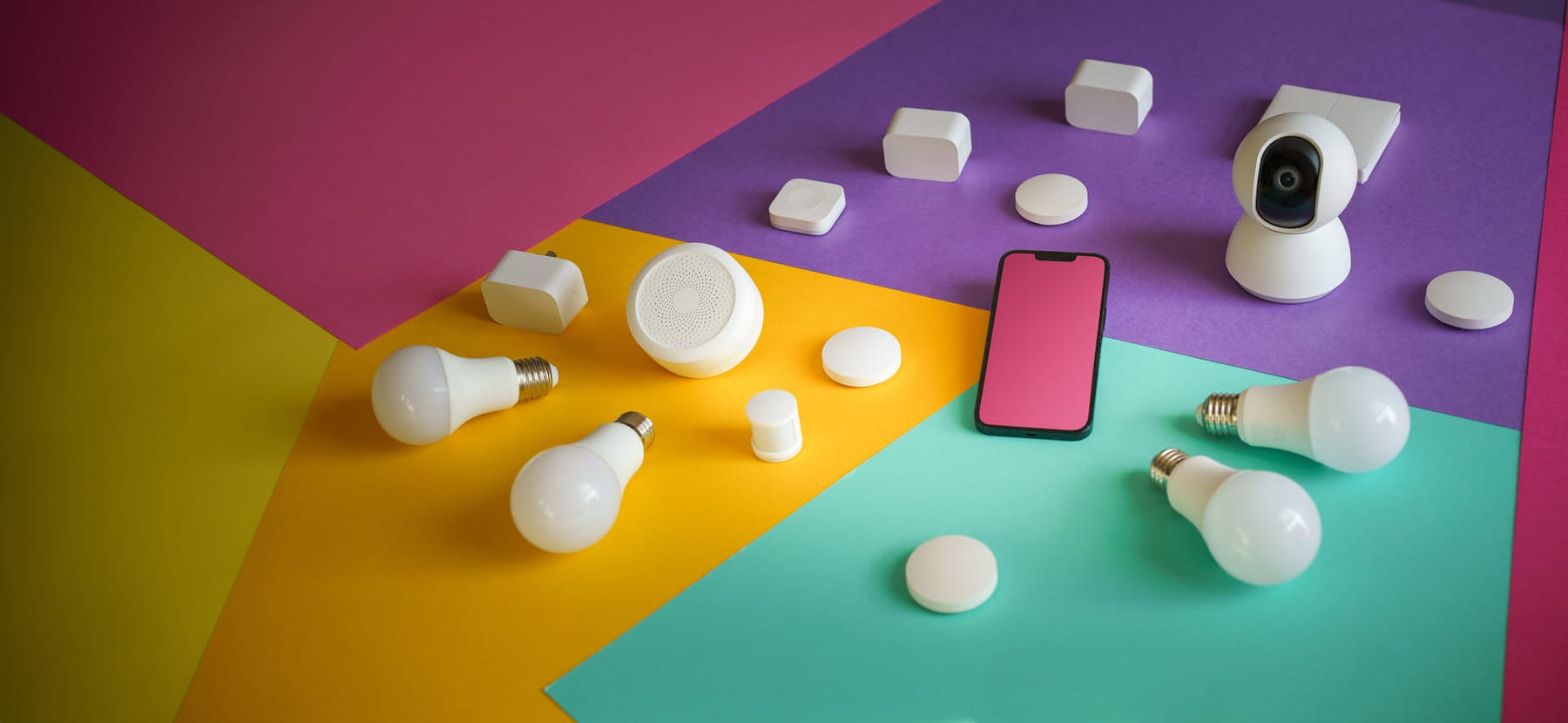
Smart Home Savings: Simple Ideas
Use smart home savings: simple ideas to narrow the next home project step, avoid common DIY friction, and make the result feel worth the effort.
Smart Home Savings: A Practical Guide
When choosing devices, pay attention to which ecosystem they support. Many devices are “compatible,” but it’s important to understand what that really means. Look.