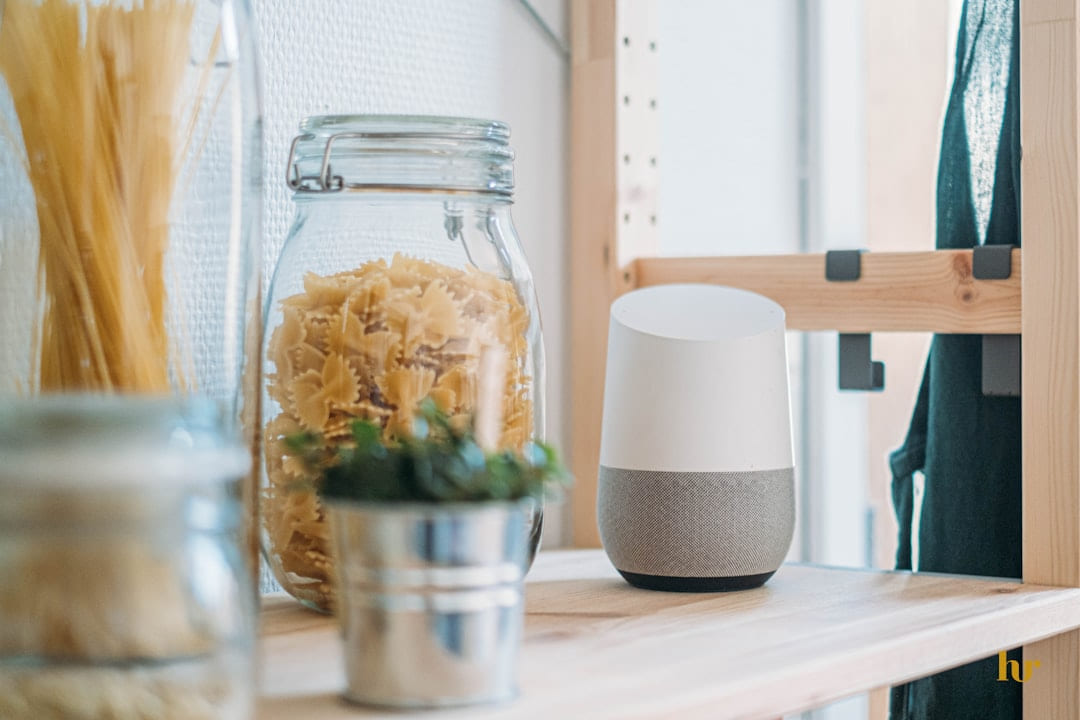
This Affordable Smart Living guide looks at Budget Smart Home through the lens of realistic tradeoffs, simple next steps, and long-term usefulness.
Hey everyone, Nicole here! It’s fantastic to have you join me on Affordable Smart Living. I’ve been watching the smart home trend take off, and honestly, it can feel a little overwhelming. All the flashing lights, complicated apps, and tech jargon… it’s easy to think this is just for tech gurus and deep pockets. But I’m here to tell you, that’s simply not true. The beauty of smart home technology is that it’s becoming increasingly accessible, and more importantly, incredibly useful for everyone.
My goal with this blog is to demystify the smart home and show you how you can integrate it into your life without breaking the bank or feeling like you need a PhD in computer science. We’re talking about small, manageable changes that can genuinely make your life easier, more comfortable, and maybe even a little more fun. Think about automating simple tasks, adding a little security, or just creating a more responsive and enjoyable living space - all without the headache of a massive overhaul.
Let’s be clear: a “smart home” doesn’t have to mean a fully automated, futuristic mansion. It’s about strategically adding devices that address your needs and priorities. It's about taking control, not letting technology control you. And trust me, you don’t need to spend a fortune to start building your own affordable smart home.
Why Now? The Shift Towards Budget-Friendly Smart Tech
For a while, the smart home market was dominated by premium brands and expensive gadgets. But things are changing. Manufacturers are realizing that there’s a huge demand for affordable options, and competition is driving prices down. Plus, the technology itself is getting simpler and more intuitive. The days of wrestling with complex setup procedures and confusing apps are largely behind us.
There are several factors contributing to this shift:
- Increased Competition: More companies are entering the market, offering a wider range of products at various price points.
- DIY Ecosystems: Platforms like Amazon Alexa and Google Assistant are becoming the central hubs for controlling a diverse range of devices, reducing the need for proprietary systems.
- Mesh Networking: Mesh Wi-Fi systems are becoming more affordable and easier to set up, providing a reliable network for all your smart devices.
- Refined Technology: The underlying technology is constantly improving, leading to more efficient and reliable devices.
This means you can build a genuinely smart home - one that’s tailored to your lifestyle - without emptying your wallet. Let’s dive into some specific gadgets that are proving incredibly popular and, frankly, brilliant for the budget-conscious consumer.
Top Budget Smart Home Gadgets - Starting Small
Okay, let’s get to the good stuff! Here are some of my favorite affordable smart home gadgets, broken down by category and with estimated price ranges (these can fluctuate, so always check current prices):
1. Smart Speakers (The Hub):
- Amazon Echo Dot (4th Gen): ($35 - $55) - This is *the* entry point for most people. It’s a fantastic speaker, has excellent voice recognition, and integrates with a huge range of smart home devices. It’s also incredibly versatile - you can use it to play music, set timers, answer questions, and control other smart devices with voice commands.
- Google Nest Mini (2nd Gen): ($35 - $50) - A strong competitor to the Echo Dot, the Nest Mini offers seamless integration with Google services and a slightly different voice assistant experience.
2. Smart Lighting:
- Wyze Bulbs: ($10 - $20 per bulb) - Seriously, these are a game-changer. They’re incredibly affordable, easy to install (just screw them in!), and you can control them via the Wyze app or voice commands. You can even set schedules and create custom scenes.
- TP-Link Kasa Smart Bulbs: ($15 - $25 per bulb) - Another excellent option with a wide range of features and compatibility.
3. Smart Plugs:
- Wyze Plugs: ($8 - $12 each) - These little guys are incredibly useful for turning ordinary appliances into smart devices. Want to automatically turn on your coffee maker in the morning? Just plug it into a Wyze plug! You can also use them to monitor energy consumption.
- Amazon Smart Plug: ($20 - $30) - A reliable and versatile option from Amazon.
4. Security & Monitoring:
- Wyze Cam v3: ($35 - $45) - Don’t let the price fool you. This camera offers surprisingly good video quality, motion detection, and two-way audio. It’s a great way to keep an eye on your home, pets, or kids.
- Ring Video Doorbell (Wired): ($99 - $149) - A basic, wired Ring doorbell offers peace of mind without a monthly subscription fee (though a subscription unlocks advanced features).
5. Smart Thermostat (Entry Level):
* Honeywell Home T5 Smart Thermostat: ($130 - $180) - While some smart thermostats can be pricey, the Honeywell T5 offers a good balance of features and affordability. It learns your schedule and automatically adjusts the temperature to save energy.
Setting Up Your Affordable Smart Home - It’s Easier Than You Think
Okay, you’ve got some gadgets. Now what? The good news is that setting up most of these devices is incredibly straightforward. Here's a simplified breakdown:
1. Download the App: Each device will come with its own dedicated app. Download it to your smartphone or tablet. 2. Create an Account: Follow the instructions in the app to create an account. 3. Connect to Wi-Fi: Most devices will need to connect to your home Wi-Fi network. The app will guide you through this process. (Make sure you have a strong and stable Wi-Fi signal!) 4. Pair the Device: Follow the app's instructions to pair the device with your account. This usually involves pressing a button on the device or scanning a QR code. 5. Voice Assistant Integration (Optional): If you want to control your devices with voice commands, link your account to Amazon Alexa or Google Assistant.
Pro Tip: Before you start, make sure you have a strong Wi-Fi network. A weak signal can cause connectivity issues. Consider a mesh Wi-Fi system if you have a large home or experience dead spots.
Beyond the Basics - Expanding Your Smart Home
Once you’ve got the basics down, you can start exploring more advanced features. Consider these additions:
- Smart Sensors: Motion sensors, door/window sensors, and water leak detectors can add an extra layer of security and peace of mind.
- Smart Irrigation Controllers: Automate your lawn watering schedule to save water and money.
- Smart Blinds/Shades: Control your window coverings remotely for energy efficiency and convenience.
The key is to start small, experiment, and gradually build your smart home ecosystem. Don't feel like you need to do everything at once. Focus on the areas where you'll get the most benefit and enjoy the process!
Keep This Practical
The strongest home-tech upgrades are usually the ones you notice every day. Focus on reliability, simple setup, and whether the change genuinely makes the house easier to live in.