Budget Smart Home can be easier to approach when you start with a few practical basics.
- Smart Bulbs (Wyze Bulb, Philips Hue White Ambiance): $10-25 each. Replacing your standard bulbs with smart ones opens up a world of dimming, color changing (depending on the model), and scheduling. The Wyze bulbs are particularly affordable, while Philips Hue offers a more polished experience.
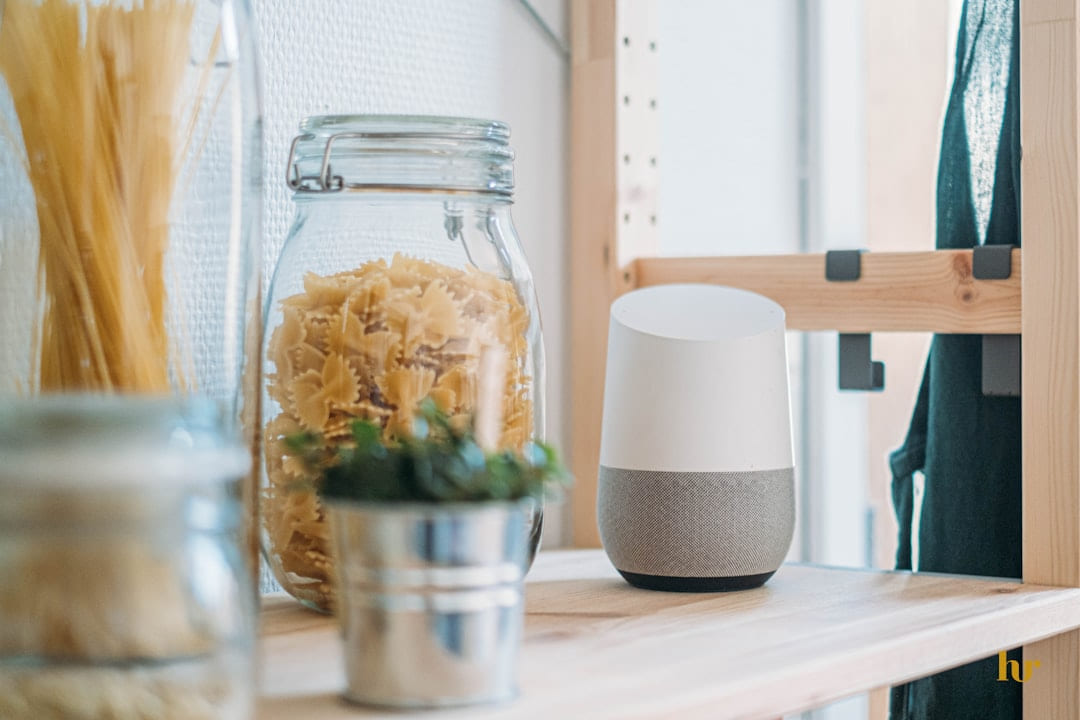
- Voice Assistants (Echo Dot (5th Gen), Google Nest Mini): $30-50 each. These are the brains of your operation. Alexa and Google Assistant can control your other smart devices, answer questions, play music, and much more. The 5th generation Echo Dot is a solid, reliable choice.
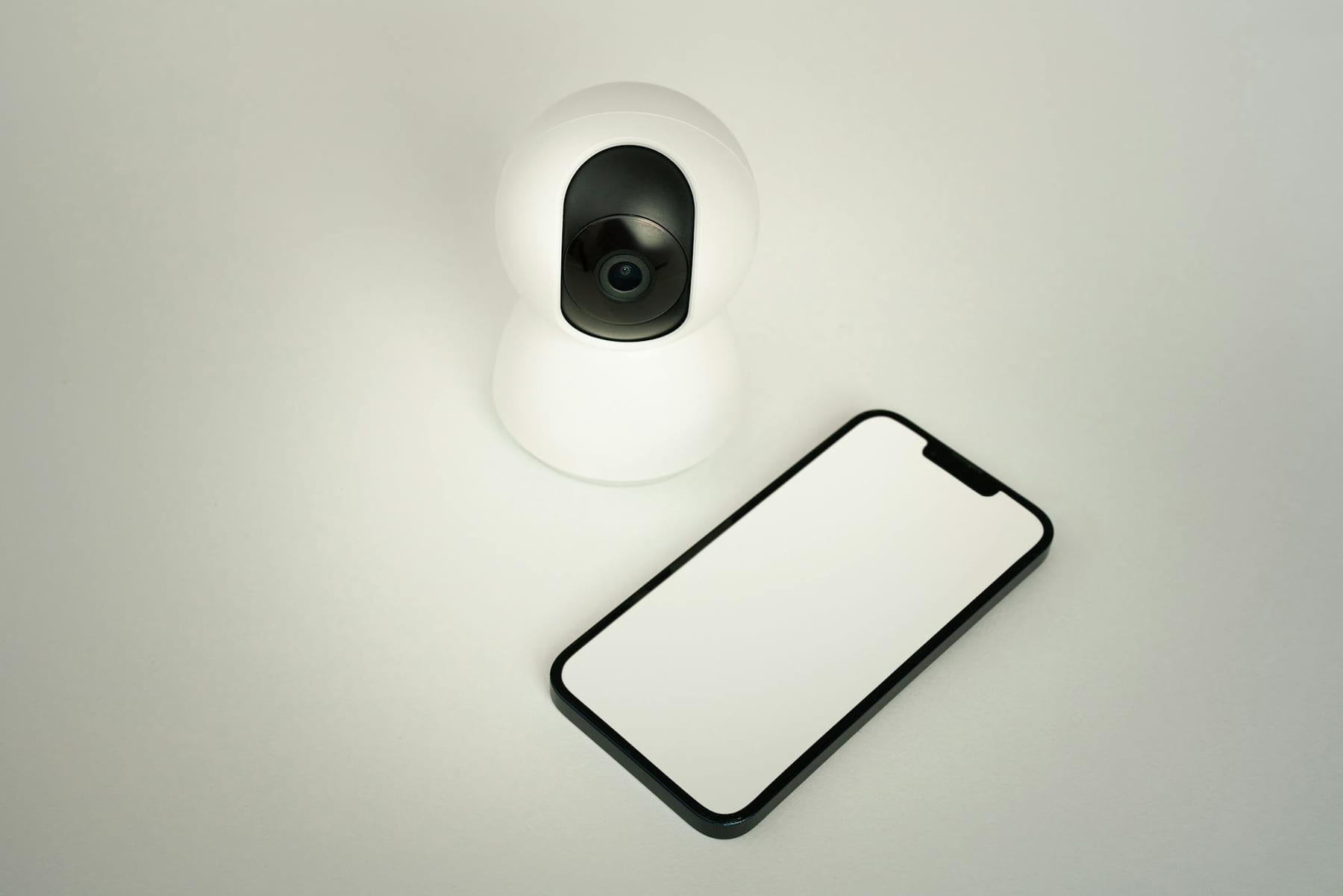
- Smart Security Cameras (Blink Mini, Wyze Cam v3): $30-60 each. Peace of mind doesn’t have to be expensive. These cameras offer basic motion detection and recording, allowing you to keep an eye on things when you’re away from home. The Blink Mini is a great, compact option.
- Smart Thermostat (Honeywell Home T9 Smart Thermostat): $80-150. This is where you can really start seeing some savings. A smart thermostat learns your habits and automatically adjusts the temperature to save energy. While it’s the biggest single investment on this list, the potential energy savings can pay for itself over time.
DIY Setup & Integration - It’s Easier Than You Think (Budget Smart Home)
Okay, so you’ve got some gadgets. Now what? The good news is setting up a smart home doesn’t require a degree in electrical engineering. Most of these devices are incredibly user-friendly. First, make sure you have a strong Wi-Fi network. Seriously, this is crucial. If your Wi-Fi is weak, your smart devices won’t work reliably. A quick speed test can tell you if you need to upgrade your router. Next, familiarize yourself with your voice assistant’s commands. Simple things like “Alexa, turn on the living room lights” or “Hey Google, set the thermostat to 72 degrees” can make a huge difference. Finally, review the apps for each of your devices. These apps let you control everything remotely and create automated routines - like turning off all the lights when you leave the house.
Frequently Asked Questions (FAQs)
Let’s tackle some common questions about building a budget smart home. * How much does a smart home really cost? Honestly? It depends. You can spend tens of thousands of dollars on a fully integrated system. But you don’t have to. Starting with one or two affordable gadgets - like a smart plug and a smart bulb - can be a fantastic way to get started. Think of it like building a house - you wouldn’t try to build the whole thing at once, right?
- Can I start with just one gadget? Absolutely. In fact, it's recommended. A smart plug controlling a lamp is a fantastic starting point. It’s easy to set up, relatively inexpensive, and immediately provides a tangible benefit. Focusing on a single, impactful device can help you understand the system before investing in more.
- What’s the best way to secure my smart home network? This is important! Use strong, unique passwords for everything - your Wi-Fi network, your smart devices, and your accounts. Enable two-factor authentication whenever possible. Regularly update the firmware on your devices to patch any security vulnerabilities. It’s not rocket science, but it’s essential.
- How do I integrate different brands of smart devices? This is where “Matter” comes in. Matter is a new connectivity standard that’s designed to make it easier to connect devices from different manufacturers. While it’s still relatively new, it’s a promising development that should simplify the process in the future. Currently, compatibility is often brand-specific, but looking for devices that support Matter is a good strategy.
- Are there any subscription fees associated with these gadgets? Many of these devices - particularly the security cameras - offer free basic features. but some manufacturers offer paid subscriptions that unlock advanced features like cloud storage, longer video recording times, and enhanced security. Be sure to read the fine print before you buy.
Long-Term Cost Savings - It's About More Than Just Convenience
Okay, let’s talk about the bottom line. Building a smart home isn’t just about making your life more convenient; it’s about saving money in the long run. Smart thermostats can significantly reduce your energy bills, and smart plugs can eliminate phantom energy drain from devices that are constantly drawing power even when they’re turned off. Automation, in general, can save you time and money - think automatically watering your lawn when the soil is dry, or adjusting your lights based on the time of day.
Future Trends - What’s Next?
The smart home landscape is constantly evolving. One of the biggest trends to watch is the rise of Matter. This standard is designed to eliminate the compatibility headaches that plague many smart homes today. As more and more devices adopt Matter, it will become easier to create a truly seamless and integrated smart home experience. We’re also starting to see more sophisticated AI-powered automation, which will allow your smart home to learn your habits and anticipate your needs.
Conclusion
Building an affordable smart home is entirely achievable. It doesn't require a massive investment or a complicated setup. Start small, focus on the gadgets that will make the biggest impact on your life, and gradually expand your system over time. Don't feel pressured to do it all at once. A few smart choices can transform your home into a more comfortable, convenient, and efficient space - and the best part is, it's more accessible than ever before.
Keep This Practical
Smart-home decisions get easier when you solve one friction point at a time. Start with the device or routine that would save you the most hassle this week, then expand only after it proves useful.
Tools Worth A Look
If you are trying to make a home-tech decision with less guesswork, the products below are the closest fit for that goal.
- C04W RGBW LED Controller, Tuya WiFi 2.4G RF, 5Pin PWM for SMD FCOB Strip, APP & Voice Control, Compatible with Alexa Google HomeKinter MA170+ 2-Channel Auto Home Cycle Arcade DIY 2 x 18 W Mini Amplifier Bass Treble RCA Input Audio Mini Amplifier with 12V 3A Power Supply BlackKitchen Safe Time Lock Safe - Phone Safe Box with Timer, Timed Lock Box for Snacks & ValuablesSmart Power Meter Switch, Home Enery Monitor, Smart Home Switch Breaker for Allowin You To Track Device Power Consumption
Some of the links on this page are Amazon affiliate links, which means I may earn a small commission if you make a purchase through them. As an Amazon Associate, I earn from qualifying purchases.
Related ReadingMore from Affordable Smart Living

Smart Home Gadgets: A Budget-Friendly FAQ
Building a Smart Home Without the Sticker Shock Let’s be honest, the idea of a “smart home” used to feel a little overwhelming. Visions of expensive hubs.
Smart Home Savings: Simple Gadget Guide
Building a Smarter Home - Without Breaking the Bank It’s 2026, and the idea of a “smart home” used to feel…well, a little intimidating. Visions of complex setups.

Simple Smart Home: A Beginner's Guide
Once you’ve tackled the basics, you can start exploring other smart home gadgets. Smart thermostats, smart speakers, and even smart kitchen appliances are all.